
Middle East Tensions Cast a Long Shadow Over Asian Central Banks’ Policy Decisions


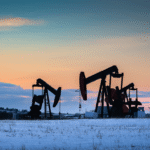
The specter of escalating energy prices now looms large over the boardrooms of Asia’s central banks, complicating an already intricate global economic landscape. Recent developments in the Middle East, particularly around Iran, have injected a fresh wave of uncertainty, forcing monetary authorities to reassess their carefully constructed outlooks. This geopolitical volatility translates directly into higher oil benchmarks, a critical input for many Asian economies heavily reliant on imports. The immediate consequence is a renewed focus on inflation, a challenge many central banks believed they were beginning to bring under control.
For institutions like the Bank of Japan, navigating this environment becomes particularly delicate. Years of ultra-loose monetary policy designed to stimulate a persistently sluggish economy have left little room for error. Any significant and sustained uptick in inflation, driven by external factors such as energy costs, could force a hand that policymakers in Tokyo have been reluctant to play. The balancing act involves supporting growth while simultaneously preventing imported price pressures from derailing domestic stability. This situation is not unique to Japan; central banks across the region are grappling with similar dilemmas, albeit with varying degrees of exposure and policy flexibility.
The ripple effects of oil price surges are multifaceted. Beyond the direct impact on consumer prices for fuel and utilities, there’s a broader inflationary impulse that can permeate supply chains. Transportation costs increase, manufacturing expenses climb, and eventually, these higher costs are passed on to consumers. This can erode purchasing power, dampen consumer confidence, and potentially slow economic activity, creating a challenging stagflationary dynamic that central banks are keen to avoid. The timing of these geopolitical tremors could hardly be worse, as many economies are still contending with the lingering effects of previous global shocks and attempting to solidify their post-pandemic recoveries.
Policymakers must now consider an array of scenarios, each with its own set of risks. A prolonged period of elevated oil prices could necessitate a more hawkish stance, potentially involving interest rate hikes, which could in turn stifle economic expansion. Conversely, underestimating the inflationary impact could lead to a loss of control over price stability, forcing more aggressive, and potentially disruptive, measures down the line. The current situation demands a heightened degree of vigilance and adaptability from these institutions, as the economic fallout from geopolitical events can manifest rapidly and unpredictably.
The challenge extends beyond immediate price control. Sustained energy volatility can also affect investment decisions and long-term economic planning. Businesses may delay expansion, consumers might curb spending, and overall economic sentiment could sour. This interconnectedness means that the decisions made in major financial hubs, particularly regarding interest rates and liquidity, will be watched closely by governments, businesses, and households throughout Asia, all trying to gauge the path forward in an increasingly complex global economy. The interplay between geopolitical risk and macroeconomic stability has rarely been more pronounced.

Sponsored Content

Sponsored Content