

On a recent Saturday, a sophisticated and audacious operation unfolded within Iran, culminating in the assassination of Supreme Leader Ayatollah Ali Khamenei inside his compound. This dramatic event, meticulously executed by Israel, leveraged years of covert surveillance, a critical human intelligence asset, and advanced precision missile technology. As detailed in a recent Financial Times report, citing current and former intelligence officials, this strike marks a significant escalation in the long-standing shadow war between the two nations, demonstrating a new level of tactical precision that caught Iranian defenses off guard despite its daylight execution.
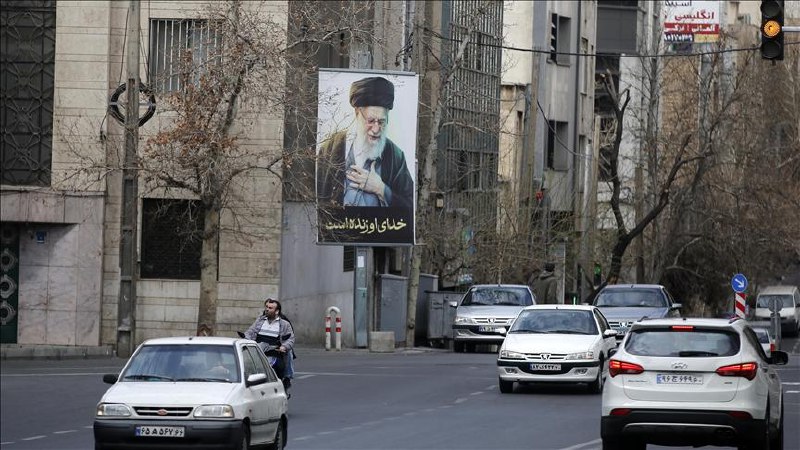
The groundwork for this audacious assault was laid over an extensive period, involving deep intelligence penetration. Israeli intelligence had reportedly maintained persistent access to Tehran’s traffic camera networks, including those directly monitoring Khamenei’s compound. This provided continuous observation of activities and movements in the vicinity, offering crucial real-time situational awareness. Furthermore, sophisticated social network analysis was employed to map out complex relationships and decision-making hierarchies within the Iranian government, aiding in the identification of key targets and operational vulnerabilities.
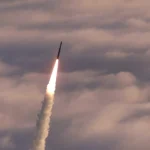
A critical breakthrough occurred when Israeli signal intelligence, corroborated by a human source with ties to the United States, confirmed Khamenei’s presence at his compound. This intelligence provided the green light for the final phase of the operation. In a move designed to maximize tactical surprise and minimize the response window, Israeli jets, which had been airborne for several hours, unleashed approximately 30 precision munitions. The missiles used were identified as Sparrows, renowned for their capability to strike even small targets from distances exceeding 1,000 kilometers (621 miles), placing them well beyond the effective range of Iran’s conventional air defense systems.
The operational success was further facilitated by strategic electronic warfare tactics. On the morning of the strike, Israeli forces reportedly disrupted nearly a dozen mobile phone towers in the immediate vicinity of Khamenei’s compound. This deliberate jamming prevented his protection detail from receiving timely warnings or coordinating an effective response, effectively isolating the target area. The Financial Times report highlighted that a perceived lack of adequate precautions on the Iranian side played a significant role in the attack’s success. One source even suggested that if Khamenei had been in one of his two known bunkers, the Israeli strike would have been unable to reach him.
Beyond Khamenei’s assassination, the broader joint US and Israeli operations launched that Saturday resulted in the deaths of several other Iranian officials. This escalation has not been without significant consequences, triggering retaliatory strikes against Gulf countries and leading to the deaths of six US service members since the operations commenced. The precise and daring nature of the strike on Khamenei signals a significant shift in the tactics employed in the regional power struggle, potentially ushering in a new era of heightened covert warfare and instability.

Related Posts



Previous Post
Next Post
Sponsored Content

Sponsored Content