

India’s AI Ambition: Can the Nation Truly Become the World’s Use-Case Capital?

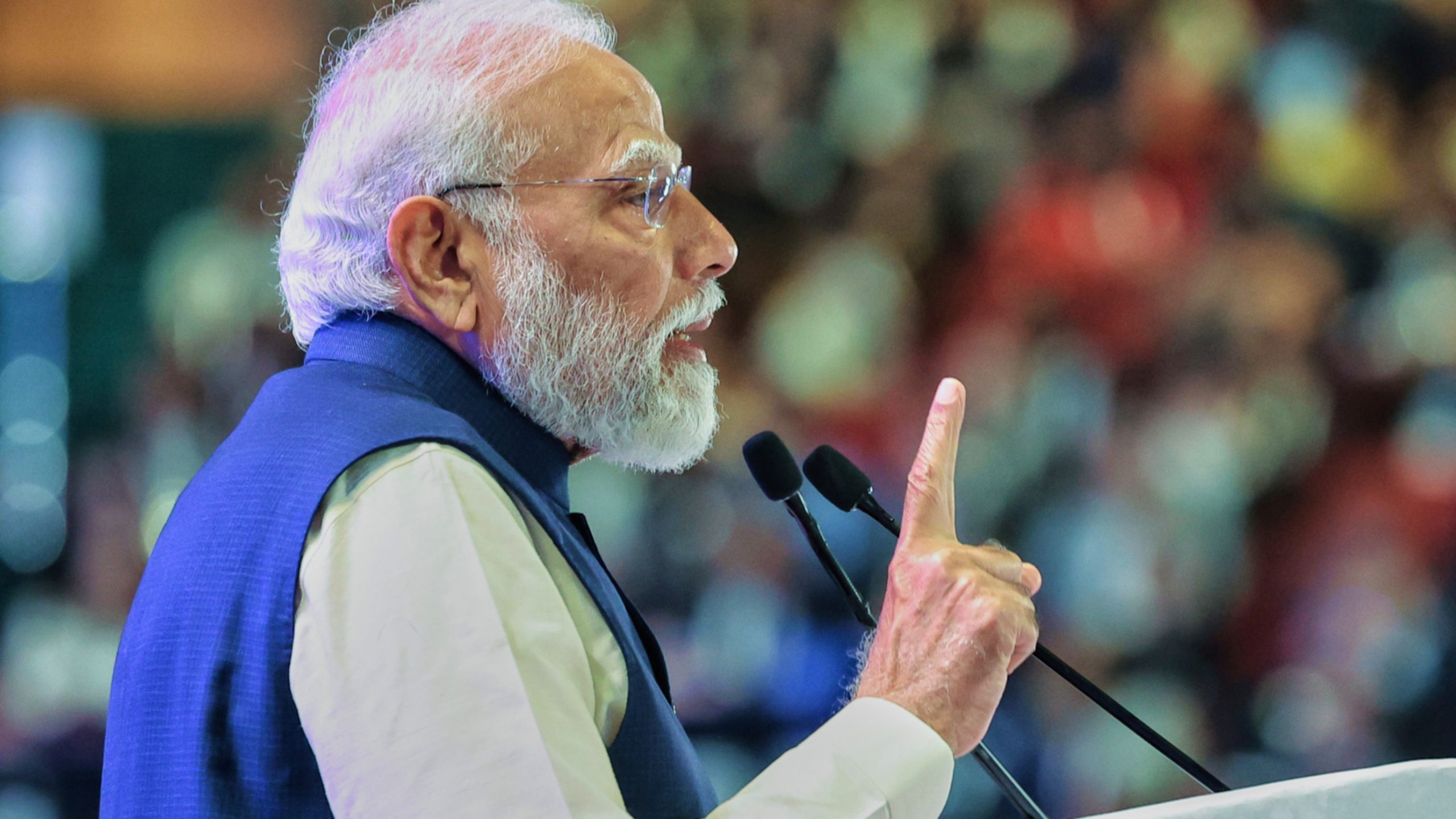
The recent five-day AI Impact Summit in New Delhi concluded with a flurry of significant announcements, painting a picture of a nation poised to become a global leader in applied artificial intelligence. With investment pledges reportedly exceeding $200 billion, alongside the introduction of at least three indigenous AI models and numerous high-profile collaborations, the event underscored India’s intent to position itself as a critical testing ground for real-world AI applications. The scale of financial commitment alone signals a profound belief in the country’s potential to not just adopt, but also innovate within, the rapidly evolving AI landscape.
This ambitious push is not merely about technological advancement for its own sake; it centers on leveraging AI to address practical challenges across various sectors. Discussions at the summit highlighted pilot programs targeting farmers and small to medium-sized enterprises (SMEs), areas where technological interventions could yield substantial societal and economic benefits. The vision articulated by India’s leadership suggests a strategic focus on tangible utility, aiming to deploy AI solutions that directly impact the lives and livelihoods of its vast population. This approach contrasts with a purely theoretical or research-driven focus, emphasizing instead the transformative power of AI in everyday contexts.
However, the path from pilot projects and substantial investment pledges to widespread implementation is rarely straightforward. While the summit showcased promising initial uses, the transition to mass deployment inevitably encounters significant hurdles. These challenges often include infrastructure limitations, the need for skilled personnel to manage and maintain AI systems, and the complexities of integrating new technologies into existing, often traditional, frameworks. The sheer diversity and scale of India’s economy and society mean that solutions effective in one region or sector may not be easily scalable nationwide without considerable adaptation and resources.
The enthusiasm generated by the summit is undeniable, with declarations of disruptive transformation echoing through the event. Yet, the real measure of India’s success will lie in its ability to navigate these deployment complexities and translate the promised potential into widespread, functional reality. The global AI community will be observing closely to see if the nation can indeed solidify its claim as the “use-case capital” of the world, moving beyond showcase events to demonstrate sustained, impactful integration of AI across its diverse economic and social fabric. The coming years will reveal whether the substantial financial backing and innovative spirit can overcome the inherent challenges of large-scale technological adoption in a developing nation.

Related Posts



Previous Post
Next Post


Sponsored Content

Sponsored Content