
How a Blocked Strait of Hormuz Could Threaten Global Food Security and Staple Supplies

The Strait of Hormuz, a narrow choke point connecting the Persian Gulf to the open ocean, has once again become a flashpoint, raising concerns that extend far beyond regional tensions. Since late February, at least ten vessels have come under attack, including a recent incident involving a UAE-flagged tug where seafarers are now feared dead. These hostilities have prompted a significant slowdown in maritime traffic, with hundreds of ships reportedly idle on either side of the waterway, despite efforts by the United States to offer navy escorts and a substantial $20 billion insurance program for oil tankers. The ripple effects are already being felt, particularly in the global food supply chain, threatening to inflate prices for essential goods from wheat to potatoes.
This critical maritime passage is not merely an energy corridor; it facilitates the movement of nearly 30% of the world’s oil exports and a fifth of its natural gas supply, but crucially, it also handles up to 30% of global fertilizer exports. These fertilizers are indispensable for sustaining agricultural yields worldwide, a fact underscored by Menelaos Ydreos, secretary general of the International Gas Union. Ydreos highlighted that while the immediate focus often lands on oil and gas, the strait’s bidirectional trade means significant food imports into the region are also being disrupted, some of which are then re-exported. Moreover, the impact extends to petrochemicals, essential for pharmaceuticals, plastics, and numerous other products, suggesting a much broader and more severe disruption than initially perceived.
The economic consequences are already manifesting. Insurance premiums for shipping through the strait have surged, as have cargo rates, causing some shipping companies to suspend operations entirely. For instance, the price of urea, a vital nitrogen fertilizer, has jumped from $450 per tonne to over $600 in just one week. This sharp increase is particularly alarming given that natural gas accounts for roughly 70% of the production cost for nitrogen fertilizers. A spike in energy prices stemming from the Hormuz situation inevitably translates to higher fertilizer costs, which agricultural economies like India, the US, Brazil, and Australia, heavily reliant on Gulf exports, will feel acutely.
The Persian Gulf region, specifically Qatar, Saudi Arabia, Bahrain, and Oman, collectively produces approximately 15 million metric tonnes annually of key fertilizers such as urea, diammonium phosphate (DAP), and anhydrous ammonia. Unlike oil, which benefits from strategic stockpiles and reserves that can absorb short-term shocks, the fertilizer market operates with much less buffer. Joseph Glauber, a research fellow emeritus with the International Food Policy Research Institute (IFPRI), explained that while fertilizers can be stored, the high value relative to their natural gas feedstock, combined with continuous natural gas production, makes it more economical for producers to purchase them as needed. This leads to an inventory system largely based on seasonal demand and planting cycles, meaning most fertilizer shipments are made-to-order and intended for immediate use. For example, American producers often secure their agricultural fertilizers and chemicals in the autumn to ensure adequate supplies for spring planting.
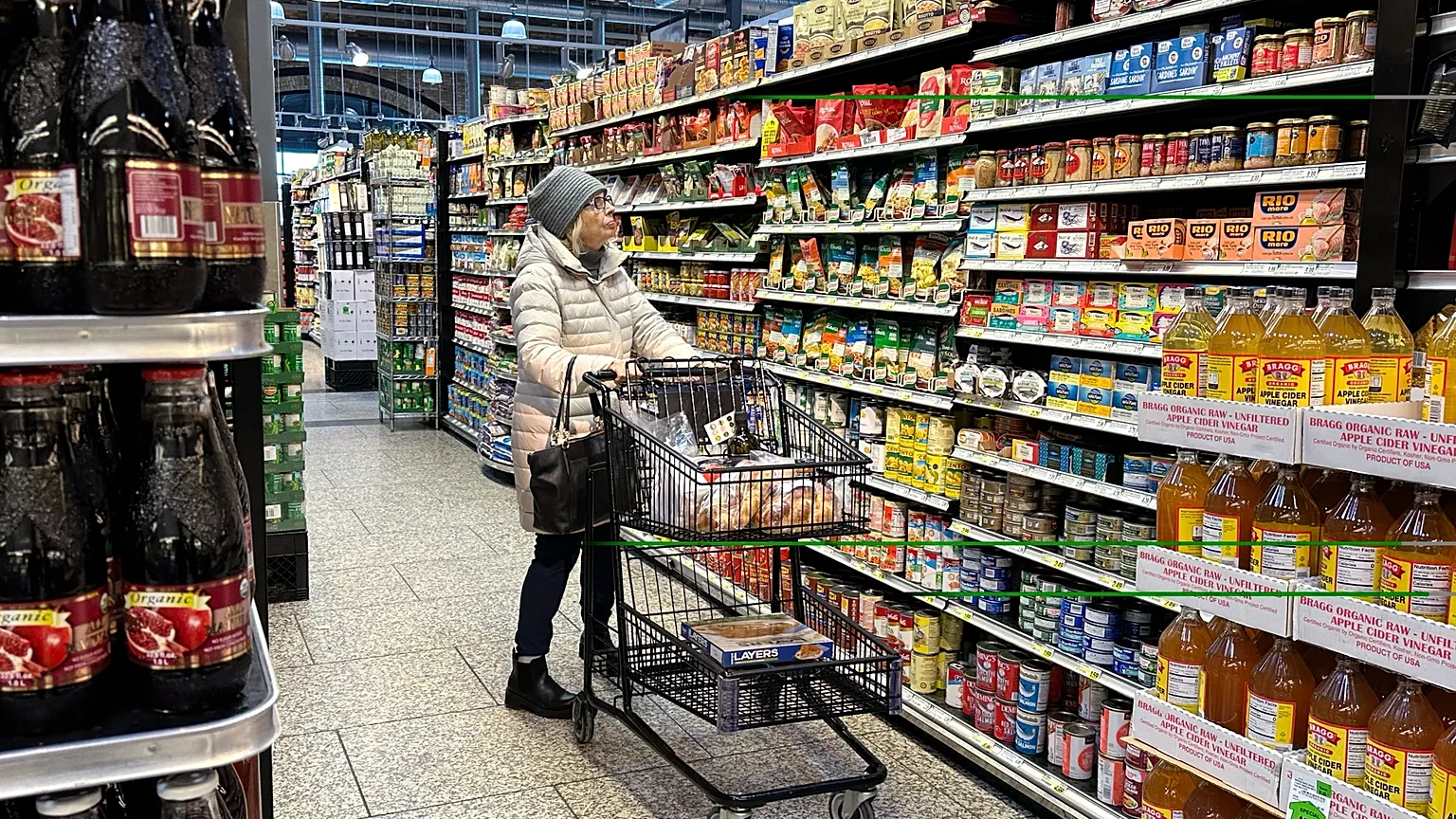
Should the hostilities in the Strait of Hormuz persist, the ripple effect will inevitably reach supermarket shelves globally. Consumers could face higher prices for staple foods like wheat, corn, bread, pasta, and potatoes. Even perishable items such as dairy products and seafood, along with soybean oil and animal feed, might see price increases, potentially forcing farmers to re-evaluate their production plans. While Glauber and other experts suggest the near-term impact will be relatively small, primarily due to existing oil prices, a prolonged blockage could significantly refuel food price inflation. Higher oil and energy costs would elevate post-farmgate transportation and processing expenses, ultimately impacting retail prices. For now, concerns about food insecurity outside the Gulf region remain muted, but that could swiftly change if the strait remains a contested zone for an extended period.

Previous Post
Next Post
Sponsored Content

Sponsored Content