
Geely Targets 6.5 Million Global Auto Sales by 2030, Aiming for a Top Five Industry Position

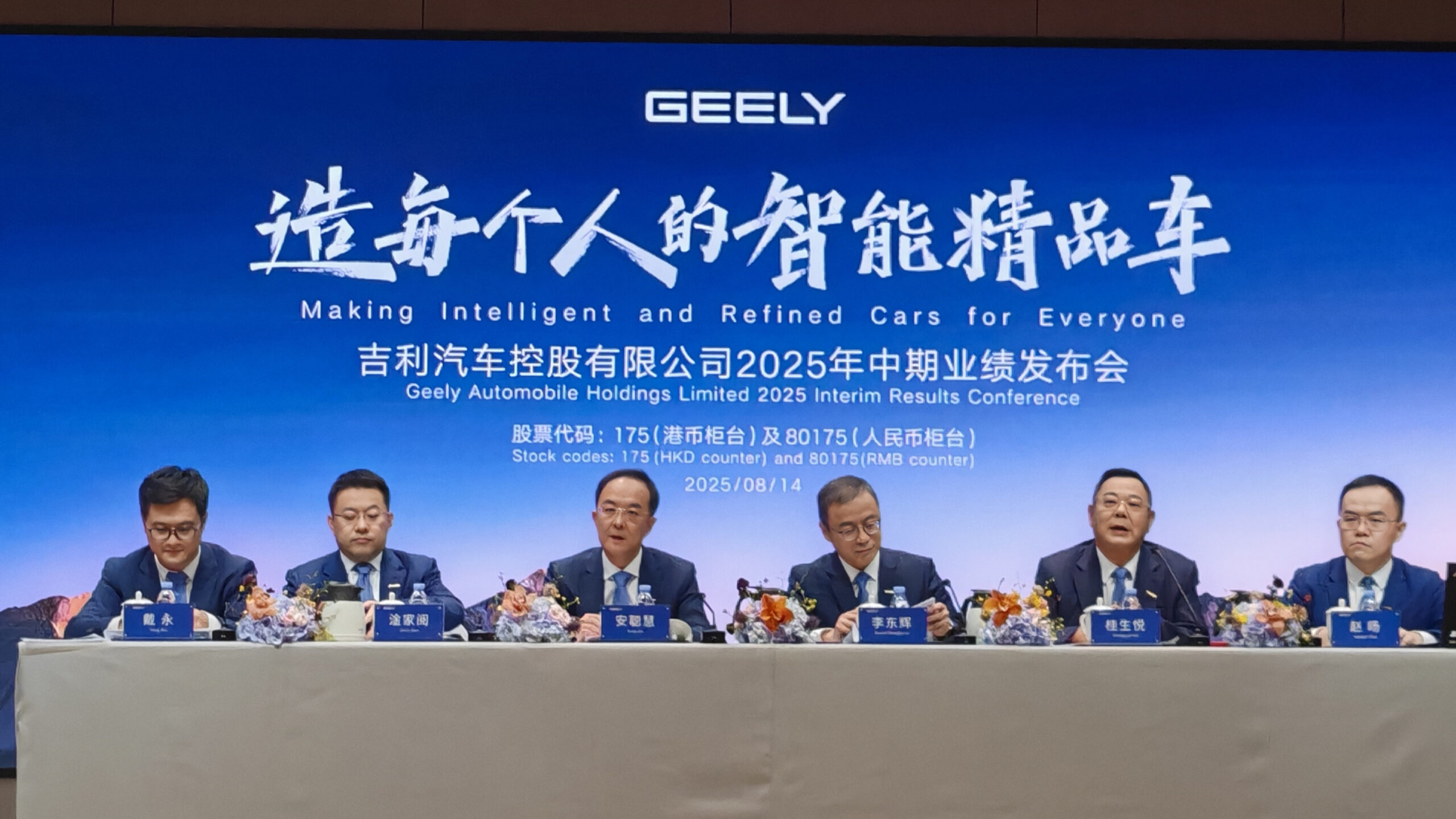
The ambition emanating from Zhejiang Geely Holding Group is clear and quantifiable. This privately owned Chinese automaker has set an aggressive target: to elevate its global sales figures to more than 6.5 million units by the close of the decade. This projection represents a substantial increase, roughly 60% beyond its anticipated sales for 2025, underscoring a strategic push to fundamentally alter its standing within the global automotive landscape. The company’s sights are firmly set on joining the ranks of the world’s top five automotive manufacturers, a move that would represent a significant shift in the established order of the industry.
Such a rapid expansion in sales volume within a relatively short timeframe suggests a multi-faceted approach, likely involving continued investment in new markets, product diversification, and technological advancements. Geely has, in recent years, demonstrated a willingness to acquire and integrate established brands, a strategy that has allowed it to broaden its portfolio and gain access to diverse consumer bases and engineering expertise. This inorganic growth, coupled with organic development of its own brands, will be crucial in achieving the kind of scale necessary to rival long-standing global automotive giants. The sheer logistics of increasing production and distribution channels to accommodate millions of additional vehicles each year will demand considerable capital expenditure and operational efficiency.
Achieving a 60% increase over five years, from 2025 to 2030, implies an accelerating growth trajectory. It suggests that the foundations laid in the first half of the decade will be leveraged heavily, perhaps through the maturation of current expansion projects or the introduction of entirely new product lines designed for global appeal. The automotive sector is currently navigating a period of profound transformation, driven by electrification, autonomous driving, and evolving consumer preferences. Geely’s ability to adapt and innovate within this dynamic environment will be a decisive factor in its pursuit of such ambitious sales targets. Its focus on electric vehicles and intelligent mobility solutions will undoubtedly play a central role in attracting new customers and expanding its market share beyond traditional segments.
The competitive landscape for a top-five position is exceptionally fierce, populated by companies with decades, if not a century, of global presence and brand recognition. These incumbents possess vast manufacturing networks, extensive dealership infrastructures, and deeply entrenched supply chains. For Geely to penetrate this upper echelon, it will need to differentiate itself not only through volume but also through perceived quality, technological leadership, and effective brand management across diverse cultures and economies. This challenge extends beyond simply selling cars; it involves building a global reputation that resonates with a broad spectrum of consumers.
The strategic implications of such an objective extend beyond the company itself. A Chinese automaker achieving a consistent top-five global sales position would signify a further shift in the global automotive power balance, reflecting the growing influence of Asian manufacturers. It would also highlight the increasing maturity and international competitiveness of China’s private sector. The journey to over 6.5 million units will be closely watched by competitors, industry analysts, and policymakers alike, as it will offer valuable insights into the evolving strategies required to succeed in the future of mobility. The coming years will reveal whether Geely’s bold ambition translates into a concrete reshaping of the global automotive hierarchy.

Previous Post
Next Post

Sponsored Content

Sponsored Content