
Economist Warns Consumer Psychology Driven by Gas Prices Could Trigger a 10% Market Correction


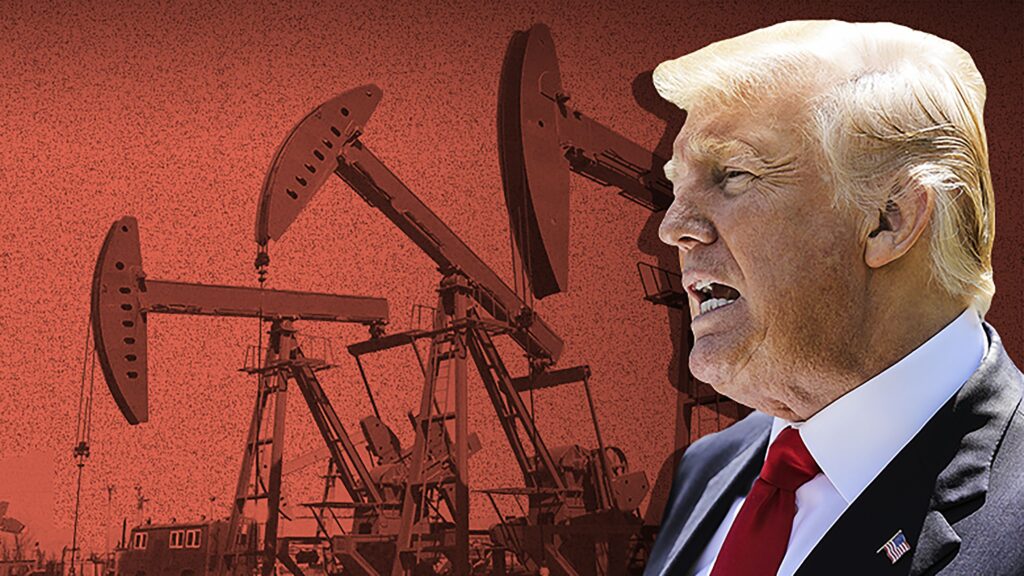
The price consumers pay at the pump, rather than the abstract cost of a barrel of crude oil, holds significant sway over the health of the U.S. economy, according to Wharton’s Professor Jeremy Siegel. This direct, visible expense impacts consumer sentiment immediately, a crucial factor that could lead to broader economic shifts. While geopolitical tensions in the Middle East have introduced volatility, markets have not yet experienced a major downturn, partly due to trader expectations that the situation might be short-lived. However, the creeping rise in gas prices is beginning to translate into real-world concerns for American households.
Professor Siegel, an emeritus professor of finance at the University of Pennsylvania and senior economist to WisdomTree, emphasized this point in a recent note. He highlighted that the psychological effect of rising gasoline prices is paramount. When consumers start to anticipate higher costs of living, it can trigger a wage-price spiral, where demands for increased pay to offset expenses further push up business costs. This cycle of heightened inflation expectations is what truly worries Wall Street, even if the underlying economic picture is more nuanced than headlines suggest.
Despite these concerns, the United States possesses a considerable advantage over some allied nations through its healthy oil reserves, providing a buffer against severe supply disruptions. In a move to stabilize the market, the White House has also confirmed a temporary lifting of sanctions on Russian oil to increase global supply. Yet, the administration’s capacity to intervene directly in pricing mechanisms appears limited. Treasury Secretary Scott Bessent recently clarified on CNBC that speculation about intervention in the futures market or other price control measures is unfounded, stating his department has no plans to engage in such actions.
Siegel notes that although the consumer feels the immediate sting of higher gas prices, the economy has built-in offsets that were less prevalent during previous oil shocks. A stronger dollar, for instance, makes imports cheaper, and elevated oil prices can boost profits within the energy sector, benefiting an energy-self-sufficient nation. Nevertheless, the market mood has undeniably shifted. The economist suggests that the current uncertainty, stemming from rising oil costs and the expanding Middle East conflict, could lead to a 10% correction from recent market highs. He does not foresee a major decline for the S&P 500 but acknowledges a palpable change in investor sentiment.
The Federal Open Market Committee (FOMC) will also be carefully considering these developments as it convenes this week. While the consensus expects the committee to maintain current interest rates, dissent from governors like Bowman and Miran is anticipated. Goldman Sachs’ Devid Mericle communicated to clients this week that he expects the FOMC’s official statement to reflect the increased uncertainty caused by the conflict, noting its potential to elevate inflation and temper economic activity in the near term. Furthermore, Mericle projects changes to the Fed’s Summary of Economic Projections for 2026, anticipating a slight reduction in GDP to around 2%, an unemployment rate nudging above 4.5%, and headline inflation persisting above the 2% target. These projections underscore the broader economic implications of consumer psychology and energy market dynamics.

Related Posts


Previous Post
Next Post
Sponsored Content

Sponsored Content