
Donald Trump Threatens South Korea With Higher Tariffs Amid Investment Pledge Review

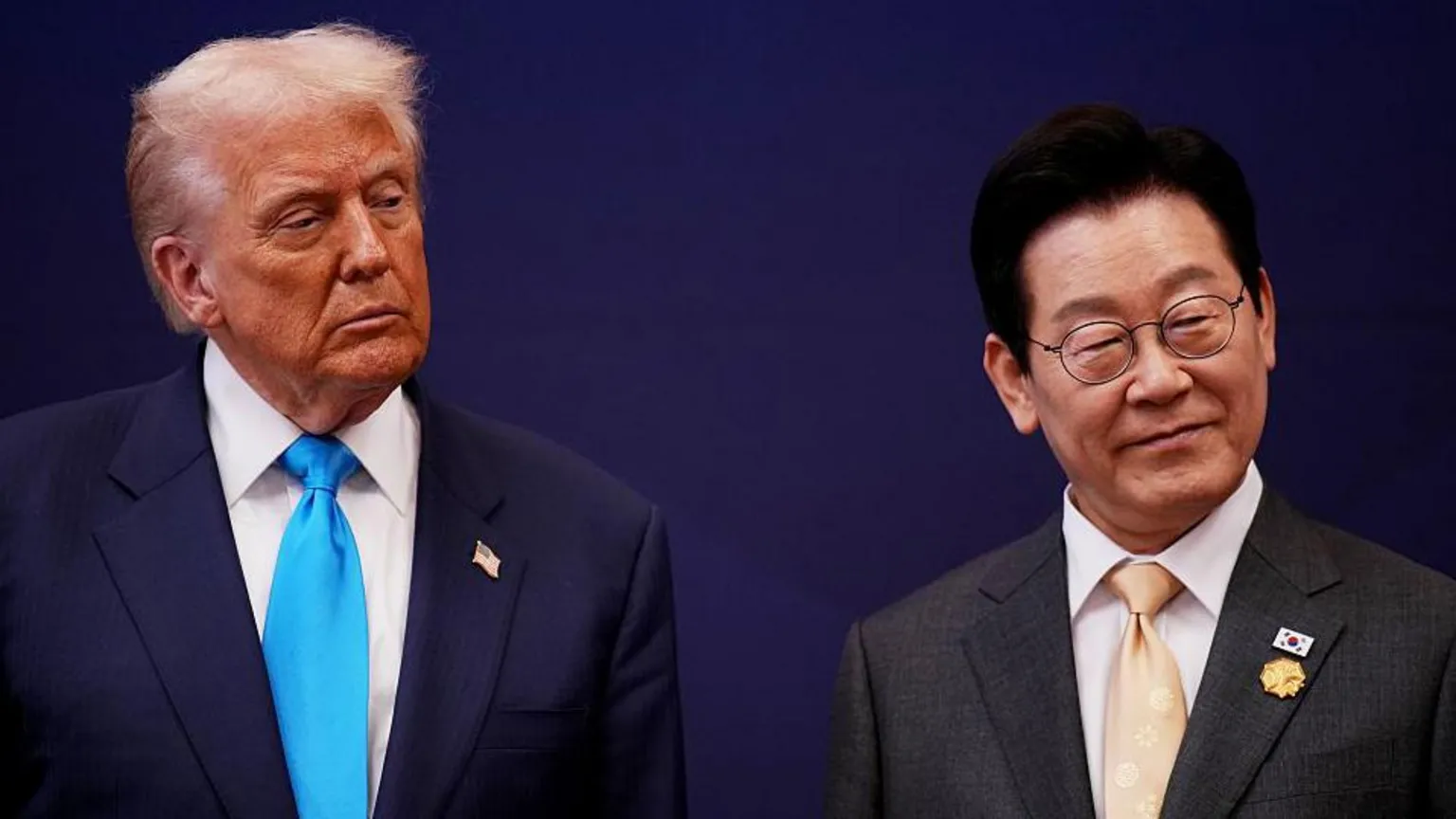
President Donald Trump announced Monday a potential increase in tariffs on South Korean imports, from 15% to 25%, citing delays in legislative approval for a trade framework established last year. This proposed hike, detailed in a social media post, would reportedly affect a range of goods including automobiles, lumber, and pharmaceutical drugs, alongside “all other reciprocal tariffs.” Trump emphasized the importance of reciprocal actions in trade agreements, stating that while the U.S. has been swift to adjust its tariffs, it expects trading partners to follow suit.
The administration had previously bypassed Congress to impose tariffs, declaring an economic emergency. South Korea, however, requires legislative consent to enact the July framework, which was further affirmed during Trump’s visit to the country in October. This framework includes a significant pledge from South Korea to invest $350 billion in the U.S. economy over several years, with a particular focus on revitalizing American shipyards. Five bills designed to implement this investment package have been submitted to South Korea’s National Assembly and are currently under review by its finance committee.
In response to Trump’s statement, South Korea’s presidential office reaffirmed its commitment to the deal on Tuesday. Industry Minister Kim Jung-Kwan is slated to travel to the U.S. for discussions with Secretary of Commerce Howard Lutnick, while Trade Minister Yeo Han-koo will separately meet with Trade Representative Jamieson Greer. Kim Hyun-jung, a spokesperson for South Korea’s governing Democratic Party, indicated that the party would collaborate with the government to expedite debate and action on the proposed legislation. Assembly officials anticipate these five bills will likely be consolidated into a single legal proposal, which would then require approval from both the finance and judiciary committees before proceeding to a full floor vote.
Despite the substantial investment commitment, the relationship between Washington and Seoul has faced intermittent strains. A notable incident involved a raid by immigration officials at a Hyundai manufacturing facility in Georgia last year, resulting in the detention of 475 individuals. Hundreds of South Korean workers were held for over a week before being repatriated following urgent diplomatic talks between the two nations. This underscores the complex dynamics beneath the economic partnership.
The renewed tariff threat against South Korea also reflects a broader pattern in the Trump administration’s trade strategy, where tariffs have frequently been utilized as a negotiating tool. Just last week, the president issued a tariff ultimatum to eight European nations concerning Greenland, a threat later retracted after meetings at the World Economic Forum in Davos. Similarly, Trump recently indicated a potential 100% tax on Canadian goods if Canada pursued bolstered trade relations with China. While the president has often highlighted his trade frameworks as drivers of new investment into the U.S., several of these agreements, including a pushed deal with the European Parliament involving a 15% tax on most EU exports, have yet to be finalized.
The coming year is also set to feature further trade discussions, including the renegotiation of the amended 2020 trade pact with Canada and Mexico. Concurrently, Section 232 investigations under the 1962 Trade Expansion Act are ongoing, and a Supreme Court decision is pending regarding whether Trump exceeded his authority in declaring tariffs under the 1977 International Emergency Economic Powers Act. These developments suggest that trade policies and their associated pressures will remain a central theme in international relations.

Related Posts
Previous Post
Next Post
Sponsored Content

Sponsored Content