
Could Elon Musk’s Asteroid Gold Discovery Upend Global Finance, Creating a New Central Bank?

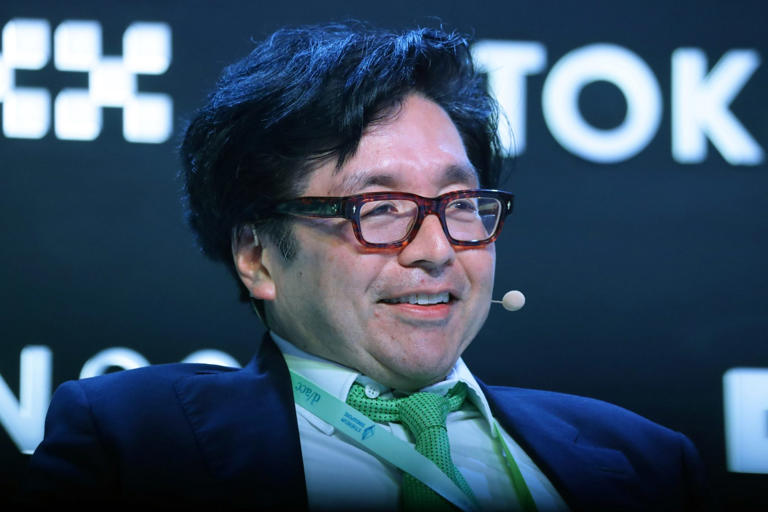
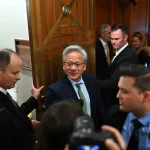
Gold, a perennial touchstone in financial discussions, recently took center stage as Fundstrat co-founder Tom Lee offered a speculative, yet thought-provoking, “black swan” scenario during a live recording of SoFi’s The Important Part podcast. His vision involved the world’s wealthiest individual, Elon Musk, inadvertently becoming the arbiter of global monetary policy through an extraterrestrial gold discovery. This unusual premise, delivered with a wry smile and drawing amusement from co-panelist Michael Lewis, author of *The Big Short*, painted a vivid picture of how a seemingly stable asset could face an unprecedented disruption.
Lee, who heads research at Fundstrat, framed gold as both a “Lindy effect” asset—meaning its long-standing acceptance as a store of value bolsters its continued relevance—and a reflection of generational preferences. He suggested that buying habits often skip a generation, citing the resurgence in RV sales during the pandemic, which mirrored a 1950s boom. In this context, gold, a significant investment for the Baby Boomer generation, might appeal to their grandchildren, while Gen X gravitated towards hedge funds and alternative investments. This demographic lens adds an intriguing layer to understanding gold’s appeal beyond traditional economic indicators.
The sheer scale of gold’s valuation also formed a crucial part of Lee’s argument. He noted that the total “above ground” gold in the world is estimated between $29 trillion and $34 trillion. To put this in perspective, this figure rivals the collective market capitalization of the Magnificent 7 tech giants, which stands at approximately $21 trillion. Remarkably, Lee pointed out that all this gold could physically fit into a single swimming pool, a vivid illustration that prompted Michael Lewis to humorously admit his palms were sweating at the thought.
However, the “Lindy effect” that sustains gold could be precisely what makes it vulnerable to an unexpected shock. Lee posited that current estimates suggest there is exponentially more gold beneath the Earth’s surface than currently available. Should the price of gold continue to escalate, an almost inevitable consequence would be the incentive for major players, perhaps even the tech behemoths of the Magnificent 7, to pivot into large-scale gold mining operations. This shift could flood the market and fundamentally alter its dynamics. But an even more dramatic scenario, Lee suggested, involves gold’s extraterrestrial origins.
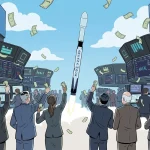
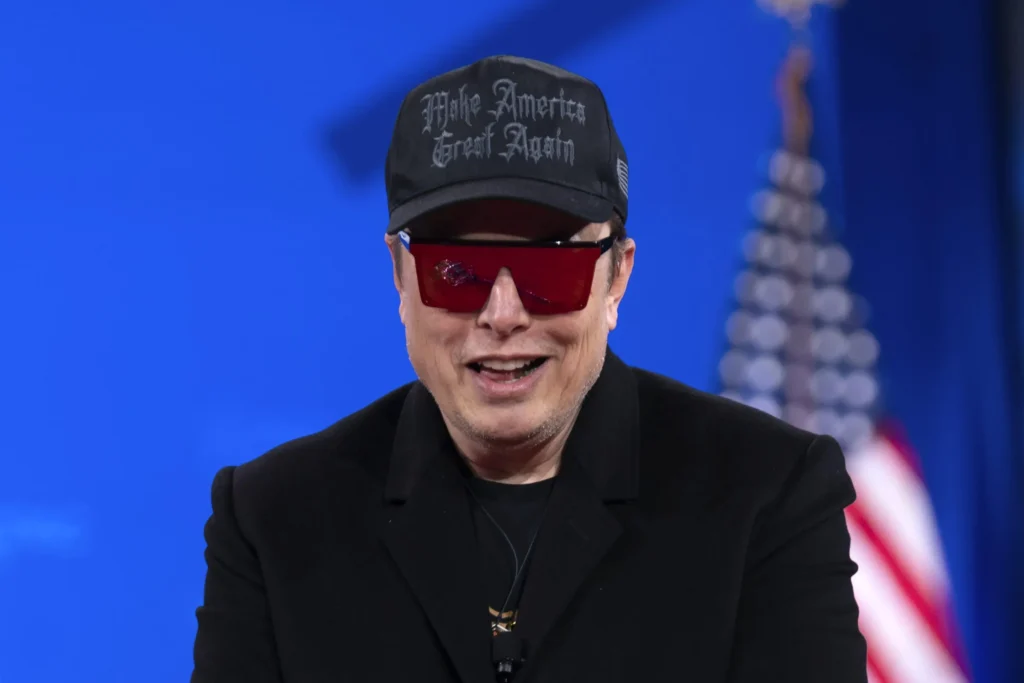
Gold, he reminded the audience, is largely believed to have arrived on Earth via meteorites. This fact opens the door to a truly disruptive possibility: space exploration companies discovering vast quantities of gold in asteroids. Lee specifically mentioned SpaceX, envisioning a mission to Mars that stumbles upon a gold-rich asteroid. In such a scenario, if Elon Musk were to control this newly discovered, immense supply of gold, he could effectively bypass traditional central banks, becoming a singular, dominant force in global finance. While this sounds like science fiction, it highlights the potential for technological advancements to reshape long-held economic paradigms.
Despite these potential “black swan” events, Lee hinted at a possible peak for gold in the near term. Fundstrat’s research, spanning a century of gold prices relative to stock market capitalization, indicates that gold typically reaches about 150% of the stock market’s value before a decline. A recent 9% drop in gold prices on January 30th mirrored only three other instances in history where such a sharp, single-day decline marked a market peak. Meanwhile, Lewis, a self-described proponent of passive index investing, revealed his own significant, and profitable, foray into gold, albeit driven by a conversation with an old poker buddy. This friend, a fund manager, convinced Lewis of gold’s value by illustrating how historical empires debased their currency. Lewis confessed to buying “a bunch of gold” three years ago, seeing it as an “Armageddon trade” or a hedge against global instability and fear, a sentiment he believes is still justified given the current political climate.

Related Posts
Previous Post
Next Post
Sponsored Content

Sponsored Content