


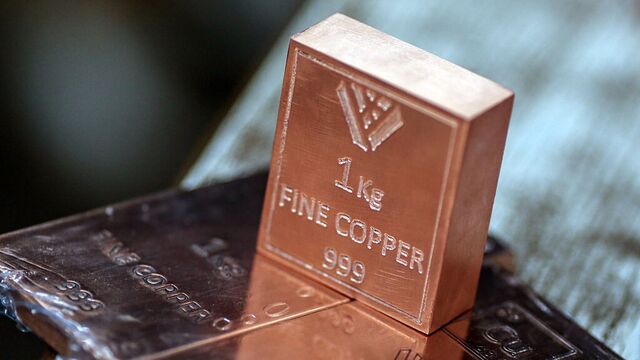
The London Metal Exchange saw copper futures breach the $14,000 per tonne mark last week, a significant milestone driven largely by robust demand emanating from China. This surge reflects a confluence of factors, including intensified industrial activity and strategic stockpiling within the world’s second-largest economy, signaling a potentially enduring shift in global commodity markets. While the psychological barrier of $10,000 per tonne was crossed mere months ago, the current trajectory suggests an accelerated push for the vital industrial metal.
Analysts point to China’s vigorous manufacturing output and substantial investments in infrastructure as primary catalysts. Factories across various sectors, from renewable energy components to electric vehicles, are consuming vast quantities of copper, a metal critical for its conductivity and durability. This domestic appetite is further amplified by Beijing’s long-term economic planning, which often involves securing essential resources to fuel future growth and reduce reliance on volatile international supply chains. The pace of this acquisition has surprised many market watchers, who initially predicted a more gradual ascent for copper prices.
Supply-side constraints are also playing a role in this upward movement. Disruptions in major copper-producing regions, including South America, have intermittently tightened the global market. Labor disputes, environmental regulations, and aging infrastructure in countries like Chile and Peru, which together account for a substantial portion of the world’s mined copper, contribute to an environment where supply struggles to keep pace with escalating demand. Exploration and development of new mines are capital-intensive and time-consuming endeavors, meaning that short-term supply responses to price signals are inherently limited.
The ripple effects of this copper rally are being felt across various industries. Manufacturers reliant on the metal are facing increased input costs, which could eventually translate to higher prices for consumers. Sectors such as construction, electronics, and automotive are particularly exposed. Companies are now evaluating strategies to mitigate these rising costs, ranging from exploring alternative materials to adjusting their pricing structures. The long-term implications for global inflation rates are also a growing concern among economists, as essential commodities like copper often serve as bellwethers for broader economic trends.
Furthermore, the speculative element cannot be entirely discounted. As prices climb, financial investors are increasingly drawn to copper futures, viewing it as a hedge against inflation or a play on global economic recovery. This speculative interest, while not the sole driver, can amplify price movements, creating a feedback loop that further propels the market. The sheer volume of trading on exchanges like the London Metal Exchange underscores the heightened attention copper is receiving from both industrial buyers and financial institutions alike.
Looking ahead, the trajectory of copper prices will likely remain intertwined with China’s economic policies and global industrial health. Any significant shift in Beijing’s manufacturing directives or a slowdown in global industrial output could temper the current rally. However, with the ongoing global push towards electrification and renewable energy, both highly copper-intensive, the fundamental demand drivers appear robust for the foreseeable future. The market is now keenly watching for signs of sustained demand versus any potential supply relief that might emerge in the coming months.



Sponsored Content

Sponsored Content