
China’s AI and Chip Developers Secure Billions in Hong Kong Amid US Technology Rivalry

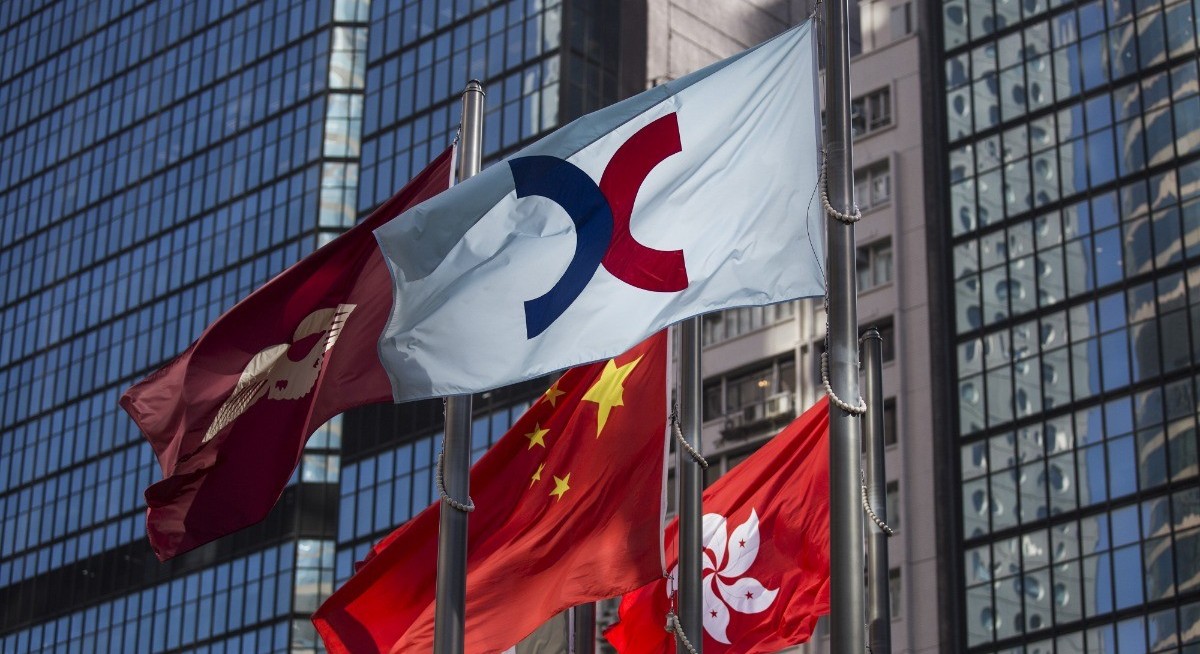
The Hong Kong stock exchange is witnessing a notable influx of capital, as Chinese artificial intelligence and semiconductor firms increasingly turn to the market to fuel their expansion. This trend is unfolding against a backdrop of intensified technological competition between Beijing and Washington, with both nations vying for supremacy in critical sectors. The recent listing of OmniVision Integrated Circuits on January 12 serves as a clear indicator of this momentum, underscoring a broader strategy by Chinese companies to bolster their capabilities and reduce reliance on foreign technology.
This strategic pivot is not merely about market access; it reflects a concerted effort by Beijing to cultivate domestic champions in high-tech industries. The drive for technological self-reliance, particularly in areas like advanced semiconductors and AI, has become a national priority. Companies are leveraging the current market rally in Hong Kong, which offers a robust platform for fundraising, to secure the substantial investments required for research, development, and scaling production. The billions of dollars being raised are earmarked for advancing indigenous innovation, a crucial step in mitigating potential vulnerabilities arising from international trade disputes and export controls.
The competitive landscape for these technologies is global, and the push for independence is directly influencing corporate financing decisions. Rather than solely relying on mainland exchanges, Hong Kong provides a gateway to international capital while remaining within China’s broader economic sphere. This dual benefit allows firms to tap into a wider investor base without fully exposing themselves to the more stringent regulatory environments often found in Western markets. The choice of Hong Kong for these listings also signals a confidence in the city’s financial infrastructure despite recent geopolitical shifts.
For companies like OmniVision, which operate at the cutting edge of chip design, access to significant capital is paramount. Developing state-of-the-art semiconductors and sophisticated AI algorithms demands immense upfront investment in talent, specialized equipment, and intellectual property. The funds generated through these Hong Kong IPOs are thus critical enablers for these firms to accelerate their innovation cycles and compete effectively with established global players. This financial injection is not just about survival but about carving out a dominant position in future technological paradigms.
The broader implications extend beyond individual companies. This fundraising spree contributes to China’s overarching objective of building a resilient and self-sufficient technology ecosystem. By fostering a vibrant domestic industry, the nation aims to reduce its dependence on imported components and intellectual property, thereby strengthening its economic sovereignty. The success of these Hong Kong listings will likely encourage more Chinese tech firms to follow suit, further solidifying the city’s role as a vital financial hub for the country’s strategic industries.
Ultimately, the billions flowing into China’s AI and chip sectors through Hong Kong are a tangible manifestation of a global technological race. It underscores the critical importance of capital in shaping the future of innovation and highlights the strategic decisions companies and nations are making to secure their technological futures in an increasingly competitive world. The coming months will reveal the extent to which these investments translate into breakthroughs and market leadership, but for now, the momentum in Hong Kong’s IPO market for these sectors remains undeniable.

Related Posts



Sponsored Content

Sponsored Content