

BlackRock’s Fink Identifies India as a Key Investment Destination for the Coming Decade

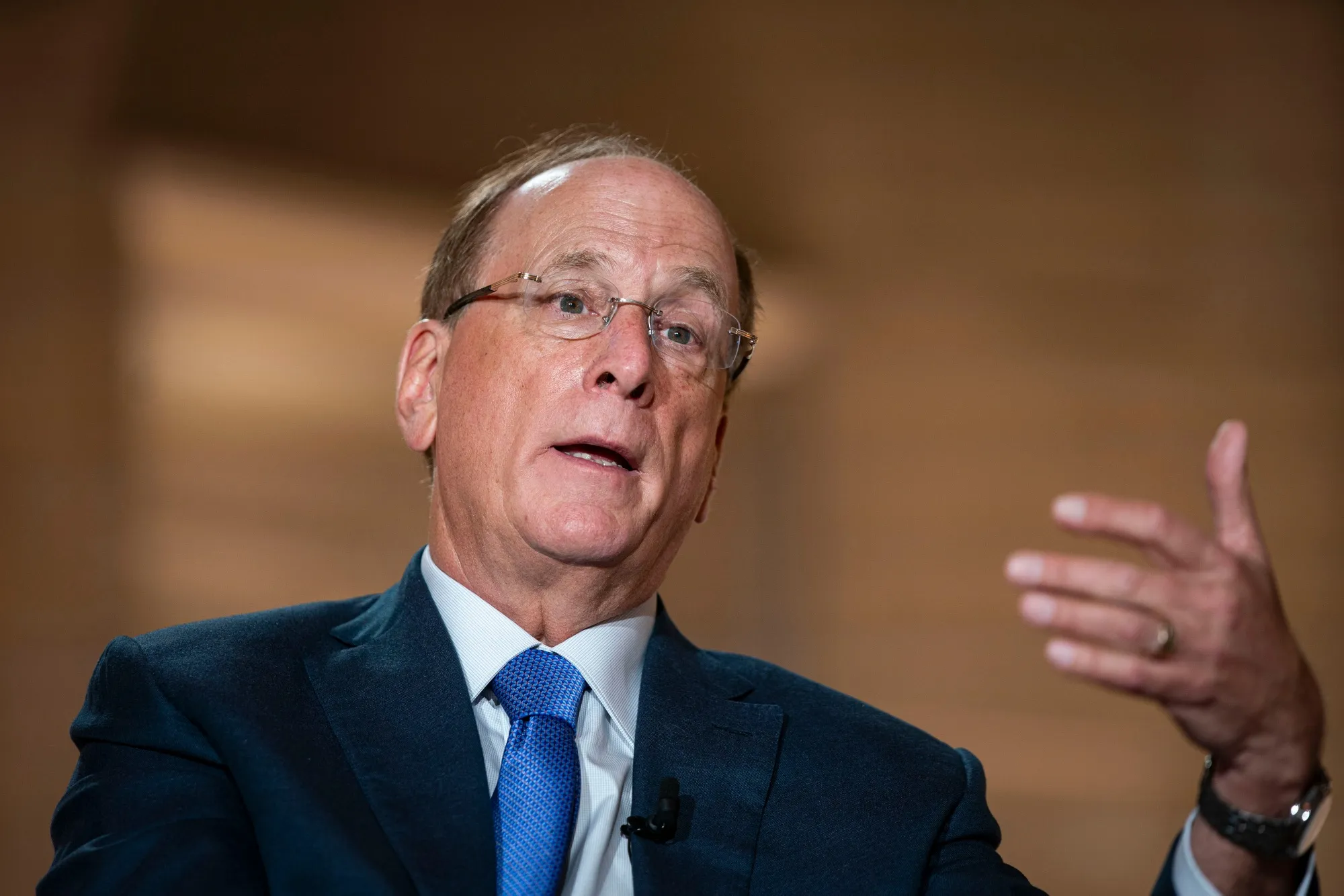
Larry Fink, the Chairman and CEO of BlackRock, recently articulated a compelling vision for India’s economic trajectory, suggesting the nation is entering what he termed an “era of India” for global investors. This perspective, shared during a recent engagement, underscores a growing sentiment among significant financial players regarding the country’s burgeoning potential. Fink’s observations are not merely speculative; they are rooted in an analysis of India’s demographic advantages, its expanding digital infrastructure, and the government’s sustained push towards economic reforms. He highlighted India’s unique position at a time when many developed economies face headwinds, pointing to its young population and increasing domestic consumption as critical drivers.
The narrative around India’s economic ascent has been building for some time, but Fink’s direct endorsement from such a prominent perch in the financial world lends considerable weight to the argument. His firm, BlackRock, manages trillions in assets, and its strategic outlooks often influence the broader investment community. Fink specifically noted the rapid adoption of digital technologies across various sectors, from financial services to retail, as a transformative force. This digital leap, he argued, is not only enhancing productivity but also integrating a larger segment of the population into the formal economy, creating new avenues for growth and investment that were previously inaccessible.
Beyond the digital revolution, India’s policy environment has also played a crucial role in shaping this optimistic outlook. The government’s emphasis on infrastructure development, manufacturing incentives, and efforts to streamline business operations have collectively improved the ease of doing business. These initiatives are designed to attract foreign direct investment and foster a more robust domestic industrial base. Fink’s comments implicitly acknowledge these structural changes, suggesting that they are creating a more predictable and attractive landscape for long-term capital deployment. He emphasized that for investors seeking growth in a global economy marked by uncertainty, India presents a compelling, differentiated opportunity.
However, the “era of India” perspective also comes with its own set of challenges and considerations. While the growth story is strong, issues such as regulatory complexities, geopolitical dynamics, and the need for continued social development remain important factors for any investor. Fink’s insights, while overwhelmingly positive, implicitly call for a nuanced understanding of the market’s intricacies. He did not suggest a frictionless path, but rather a significant opportunity balanced by the inherent complexities of a large, diverse, and rapidly evolving economy. The sheer scale of India, with its vast population and diverse regional economies, means that a one-size-fits-all approach to investment is rarely effective.
BlackRock itself has been actively engaging with the Indian market, exploring various investment avenues. This practical involvement underscores Fink’s public pronouncements, transforming them from mere commentary into a strategic directive. The firm’s interest spans across different asset classes, from public equities to private markets and infrastructure projects, reflecting a comprehensive belief in the multi-faceted growth story. This institutional commitment from one of the world’s largest asset managers serves as a powerful signal to other global investors who might be contemplating or expanding their exposure to the Indian subcontinent.
Ultimately, Fink’s confident assertion regarding an “era of India” serves as a significant marker in the ongoing discourse about emerging market opportunities. It highlights a shift in global capital allocation strategies, where India is increasingly viewed not just as another developing economy, but as a potential anchor for future global growth. The confluence of demographic dividends, technological acceleration, and policy reforms appears to be creating a unique window for investors, a window that BlackRock’s leader believes is now wide open.

Previous Post
Next Post


Sponsored Content

Sponsored Content