

Analysts See India’s Undervalued Rupee as a Magnet for Global Investors Seeking Growth and Stability

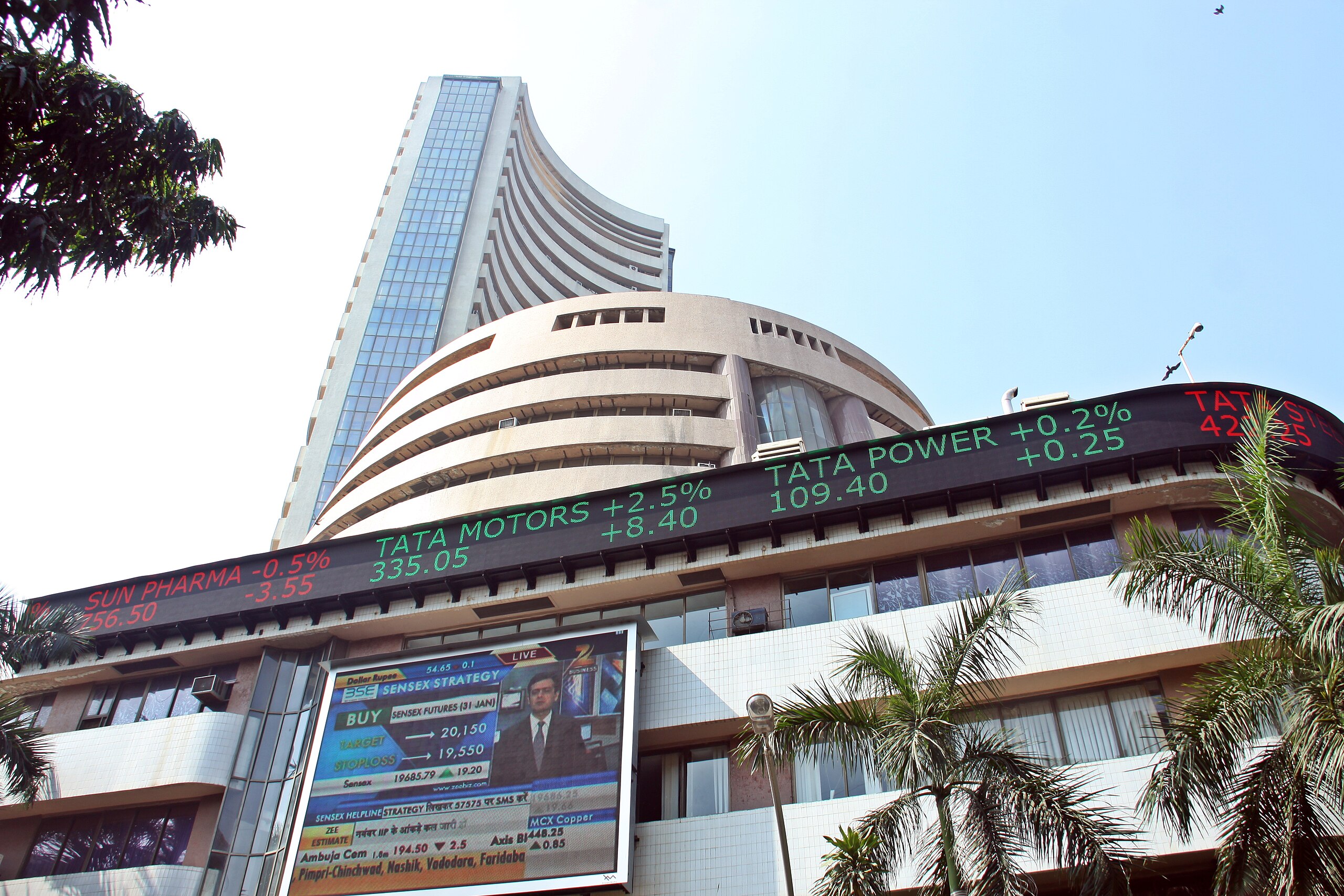
The Indian rupee, long considered one of Asia’s more managed and stability-focused currencies, is now increasingly viewed as undervalued—a perception that many analysts say could attract a surge of global capital into Indian markets. With India standing out as one of the world’s fastest-growing major economies, currency strategists argue that the rupee’s current discount to its fair value presents an appealing entry point for foreign investors seeking both cyclical opportunity and long-term structural growth.
The emerging narrative marks a shift in how markets assess India’s currency trajectory. Rather than focusing solely on external deficits or global risk cycles, investors are increasingly examining India’s strong macro fundamentals, resilient domestic economy, expanding manufacturing sector, and rising geopolitical relevance—all of which support the case for a stronger rupee over time.
If global funds agree with this assessment, India could see significant inflows across equities, bonds, infrastructure assets, and private capital platforms.
Why Analysts Believe the Rupee Is Undervalued
Several factors underpin the view that the rupee may be trading below its fundamental value.
1. India’s Strong Economic Outperformance
India is projected to grow around 6.5%–7% annually, outperforming every other major G20 economy. While global growth is slowing:
- Private consumption remains robust
- Manufacturing is expanding under the “Make in India” campaign
- Services exports, especially IT and business process management, are surging
This growth premium typically supports currency appreciation over time.
2. Stable Inflation and Monetary Discipline
India’s central bank, the Reserve Bank of India (RBI), has managed inflation more effectively than many emerging peers. Price stability contributes to:
- Predictable returns
- Lower currency volatility
- Attractive real interest rates
Analysts say India’s macro framework now resembles that of much more mature markets.
3. Healthy Foreign Exchange Reserves
India’s FX reserves consistently exceed $600 billion, giving the RBI strong intervention capacity and helping maintain investor confidence. These reserves act as a buffer against:
- Commodity price shocks
- Global market turbulence
- Short-term capital outflows
Such firepower is rare among emerging markets and limits downside currency risk.
4. Long-Term Overvaluation Narratives Are Fading
For years, some investors argued the rupee was overvalued due to India’s current account deficits. But several structural shifts are redefining the balance:
- Services exports are rising faster than imports
- Remittances remain among the world’s highest
- Energy diversification is reducing vulnerability to oil price spikes
The result is a more resilient external position that supports a stronger rupee trajectory.
A Currency Discount That Looks Increasingly Strategic
Currency strategists note that the rupee trades at a level that may understate India’s economic and investment attractiveness. The undervaluation is seen as deliberate but measured, allowing India to:
- Support export competitiveness
- Attract foreign manufacturing relocations
- Cushion global volatility shocks
But such undervaluation, combined with strong fundamentals, also creates a compelling setup for investors anticipating medium-term appreciation.
“Buying undervalued currencies in high-growth economies with stable macro regimes is one of the most reliable long-term strategies,” one Asia-focused FX strategist commented.
Global Funds Are Taking Notice
Large institutional investors are increasingly rotating into India-focused strategies.
1. Equity Markets Remain a Magnet
India’s stock indices have delivered strong multi-year returns, supported by:
- Strong corporate earnings
- Expanding retail participation
- Rapid digital adoption
Foreign institutional investors view the rupee’s undervaluation as a margin of safety for new inflows.
2. Fixed Income is Becoming More Attractive
India’s inclusion in global bond indices—most notably the JPMorgan Emerging Markets Bond Index—has boosted foreign interest in rupee debt.
Benefits include:
- High real yields compared to developed markets
- A stable currency backdrop
- Deepening sovereign bond liquidity
More than $25–30 billion in passive inflows is expected in the next year alone.
3. Private Equity and Venture Capital Are Expanding
Global funds have been increasing allocations to Indian tech, manufacturing, logistics, healthcare, and renewable energy startups.
The rupee’s perceived undervaluation improves expected returns upon eventual exits.
4. Sovereign Wealth Funds and Pension Funds Are Scaling Up
Large global funds—from Singapore to Canada to the Middle East—are expanding their India strategies, confident in the country’s structural growth story.
Why a Stable Rupee Matters for Global Capital
Unlike many emerging markets, India is not dependent on aggressive currency depreciation for external adjustment. Instead:
- The RBI targets gradual, predictable movements
- Volatility is kept within manageable bands
- Policy is designed to reassure long-horizon investors
This stability allows large funds to hedge exposures efficiently and plan multi-year investment cycles.
Risks That Could Complicate the Outlook
Despite optimism, analysts caution that several factors could temper the rupee’s rise:
• Global risk-off cycles
Any significant shift toward safe-haven assets could pressure emerging-market currencies, including India’s.
• Geopolitical tensions
Regional instability could drive short-term volatility.
• Oil price spikes
As a major importer of crude, India’s terms of trade remain sensitive to energy prices.
• RBI’s preference for competitiveness
The central bank may intentionally limit appreciation to support exporters and maintain macro stability.
These risks mean that even if the rupee is undervalued, appreciation is likely to be gradual rather than rapid.
The Big Picture: India’s Currency Is Becoming an Asset, Not a Liability
For decades, emerging-market currencies were often viewed as structural vulnerabilities. The rupee’s current positioning signals a potential shift:
- India’s currency is increasingly seen as backed by growth, not burdened by it.
- FX stability is becoming a draw for long-term investors.
- Undervaluation adds a strategic tailwind to multi-asset portfolios.
This transition mirrors the evolution of other Asian economies—Japan in the 1970s, South Korea in the 1990s, China in the 2000s—whose currencies eventually became integral to global investment flows.
Conclusion: An Undervalued Rupee Could Be a Catalyst for India’s Next Wave of Global Inflows
Analysts widely agree that the Indian rupee’s undervaluation—and the macro strength behind it—positions India as one of the most attractive destinations for global investors in the coming decade. From equities to fixed income to private capital, India’s currency and economic fundamentals are increasingly aligned, creating a favorable environment for sustained foreign inflows.
While risks remain and appreciation is unlikely to be dramatic, the rupee’s current levels offer a rare combination of stability, value, and structural growth exposure. For global funds hunting for long-term returns in an uncertain world, India’s undervalued currency may be one of the most compelling opportunities ahead.



Sponsored Content

Sponsored Content