

By the Office of the Chief Business Savior
Dr. MAC Munir Ahmad Chaudhry
Chief Business Savior; Founder, 1B.World Business Savior Ecosystem
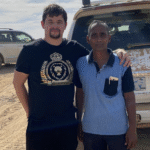
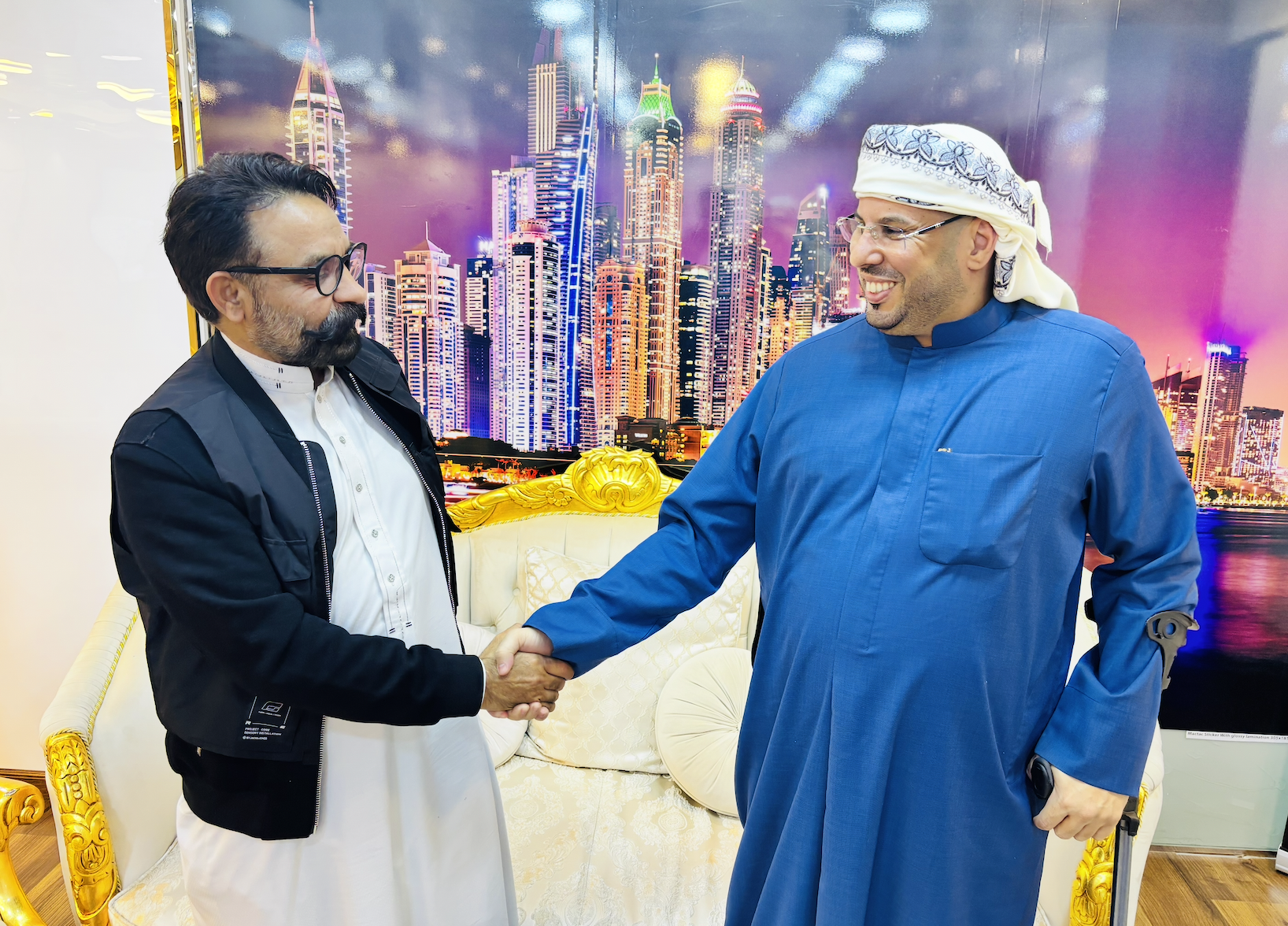
A recent meeting between Sidy Mohammed Haidalla and leaders of the 1B.World Business Savior Ecosystem underscored a growing recognition among policymakers and investors alike: the challenges confronting the global economy—fragmentation, inequality, and persistent instability—can no longer be addressed through isolated initiatives. They require coordinated ecosystems that align institutions, capital, and people around shared outcomes.
The exchange, held amid renewed attention to Africa’s role in global growth, was less ceremonial than strategic. Participants described it as a convergence of priorities—ethical investment, inclusive development, and long-term resilience—reflecting a broader shift in how governments and businesses are rethinking economic leadership.
Mauritania and North Africa as a Strategic Bridge
Mauritania and the wider North African region occupy a pivotal position at the intersection of Africa, the Arab world, and Europe. With abundant natural resources, expanding trade corridors, and a youthful demographic profile, the region is increasingly viewed as a bridge between markets rather than a periphery to them.
In discussions, Mr. Haidalla emphasized cross-border cooperation and capacity-building over transactional investment. The aim, he suggested, is to integrate local economies into global value chains without replicating extractive models that have left communities vulnerable and markets volatile. That approach resonates with a growing consensus among development economists: durable growth depends on institutions that embed accountability and inclusion at every stage.
Institutional Capital and Long-Term Governance
Central to the talks was the role of Al Maktoum Holding Group, which participants described as an institutional anchor capable of translating vision into execution. With experience across structured investments and cross-border ventures, the group is positioned to channel capital into sectors such as infrastructure, fintech, energy, trade facilitation, real estate, and social impact—areas where Mauritania and its neighbors are seeking scale and stability.
The alignment between regional opportunities and global investment frameworks, attendees noted, offers a pathway to growth that prioritizes transparency and long-term governance—qualities increasingly demanded by international partners.
A Networked Approach to Economic Leadership
If institutional capital provides the backbone, the people-driven engine is the Business Savior Network, a transnational alliance of entrepreneurs, investors, policymakers, and advisors. The network’s role, discussed at length, is to convert opportunity into capability—connecting small and medium-sized enterprises to mentorship, markets, and financing while cultivating leadership among youth and women.
The premise is straightforward but ambitious: entrepreneurs should be equipped not only to build companies, but to act as stewards of economic value—what participants termed “economic guardianship.” In regions where access to trusted networks has often been a limiting factor, such an approach could recalibrate how growth is distributed and sustained.
From Fragmentation to Shared Goals
The meeting reflected a broader trend toward collaborative globalization—one that seeks to replace fragmented, short-term projects with co-created growth across regions. By aligning institutional strength with networked leadership, the framework discussed aims to support ethical globalization, inclusive finance, and cross-border entrepreneurship at scale.
Reflecting on the engagement, Dr. Chaudhry said the discussion illustrated how “institutional strength, when aligned with visionary leadership, can move nations from aspiration to action.” The emphasis, he added, is on building systems that endure beyond individual projects or political cycles.
Toward a New Model of Global Business Leadership
The dialogue with Mr. Haidalla forms part of a wider effort by the 1B.World Business Savior Ecosystem to redefine the role of business in society. In this emerging model, profit is paired with purpose, growth is measured alongside resilience, and leaders are judged by their capacity to protect economic value as much as to create it.
With Al Maktoum Holding Group anchoring institutional initiatives and the Business Savior Network mobilizing talent and partnerships, Mauritania and North Africa appear poised to play a more influential role in shaping an interconnected global economy—one built on trust, inclusion, and shared responsibility.
The meeting marked the beginning of what participants described as a pragmatic partnership grounded in mutual interest and long-term vision. It demonstrated how regions with distinct histories and cultures can align around common economic goals, translating dialogue into action.
As global markets search for stability amid uncertainty, such convergences may offer a template for cooperation—linking institutions, networks, and leadership in pursuit of sustainable prosperity.

Previous Post
Next Post

Sponsored Content

Sponsored Content