
Behind Israel’s War-Dominated Election, a Sharp Economic Divide Over How to Pay for It

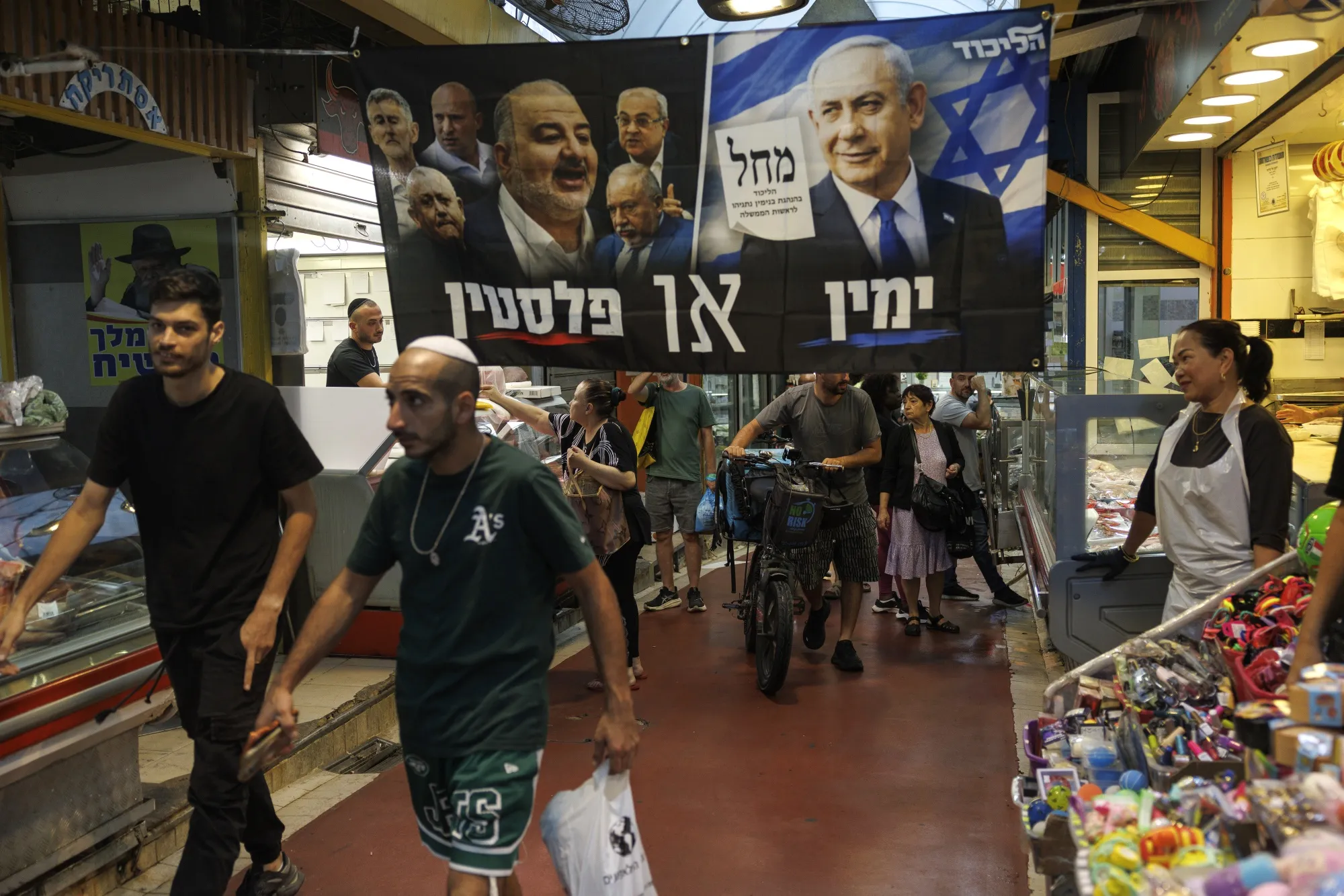
Israel’s election campaign has been almost entirely consumed by Iran, national security and the toll of three years of war, with Prime Minister Benjamin Netanyahu and his chief rival, Gadi Eisenkot, rarely venturing beyond that theme in their public pitches to voters.
Beneath that security-dominated framing, however, lies a sharper and less discussed economic schism that the next government will have no choice but to confront, centered on how Israel actually pays for its wartime defense buildup.
The core divide pits Netanyahu’s vision of military self-reliance and religious nationalism against Eisenkot’s push to fund defense spending through structural economic reforms aimed at bringing down government debt, which has climbed sharply over the past three years.
Netanyahu has framed his approach around transforming Israel into what he calls a "Super Sparta," arguing the country should spend hundreds of billions of shekels to achieve greater military self-sufficiency, saying bluntly: "Now the economy must support defense, because without security, there will be no economy."
That framing sits awkwardly against the country's current economic performance, which has remained strong throughout the conflict: foreign direct investment hit a record $26 billion last year, growth is expected to outpace regional peers, and the shekel has ranked among the world's best-performing currencies.
The disconnect between a campaign fixated almost entirely on security and an economy quietly outperforming expectations suggests the real test for Israel's next government may not be managing the war itself, but managing the fiscal choices, debt reduction versus defense self-reliance, that the war has left in its wake.