
Bank Indonesia’s Rate Pause Leaves Rupiah Exposed Just as MSCI Scrutiny Peaks

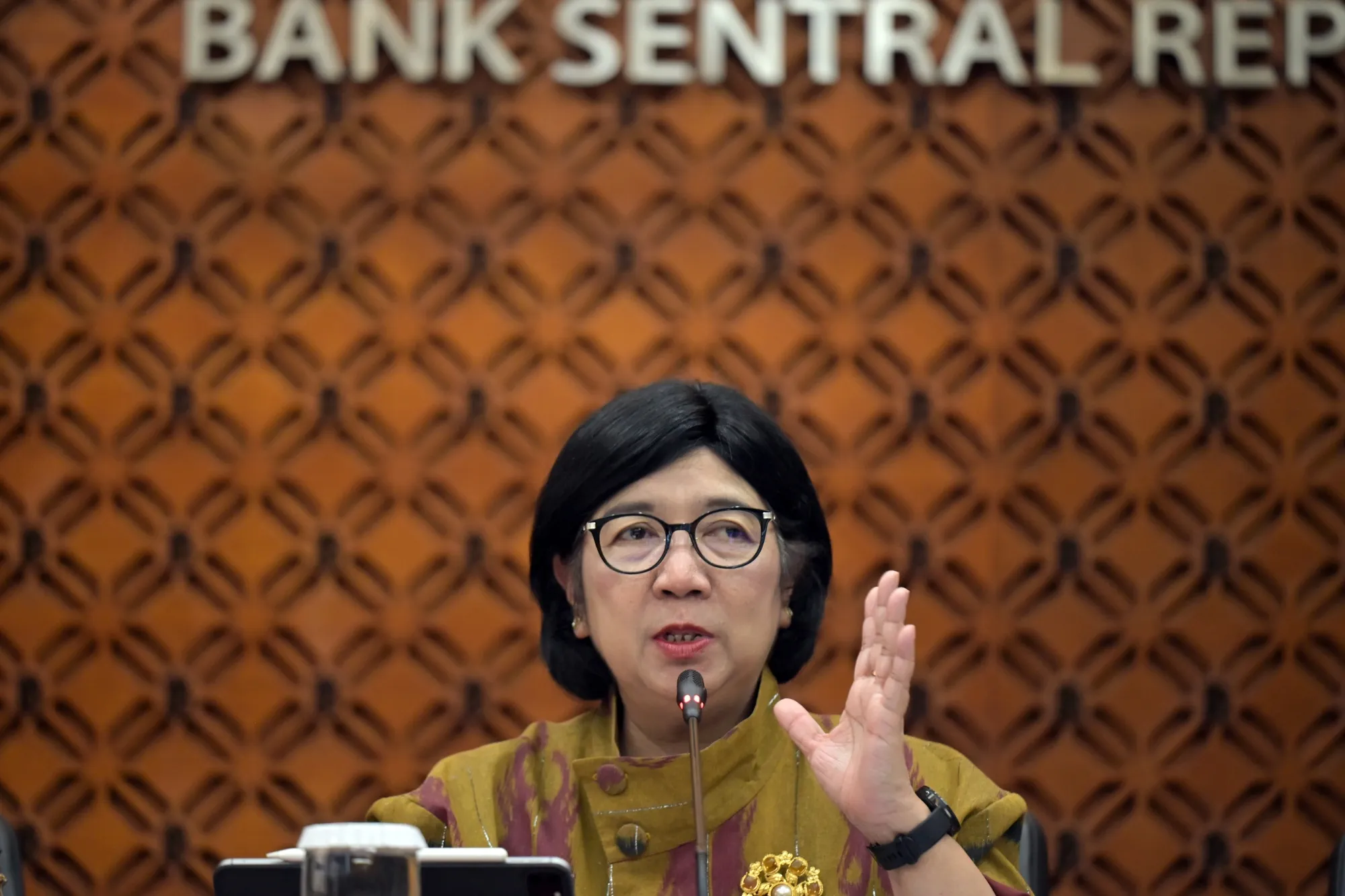
Indonesia’s central bank declined to raise interest rates on Wednesday, a decision critics say squandered an opportunity to contain the fallout from a likely downgrade by index provider MSCI and left the rupiah more exposed at the worst possible moment.
The decision comes as Indonesia’s new economic leadership faces its first major market test, with the rate pause widely characterized as a misstep given the scale of the pressure already building on the currency and equity markets following MSCI’s downgrade warning earlier in the month.
At the heart of the decision is a familiar tension facing emerging-market central banks: policymakers must balance supporting domestic economic growth against the need to defend the currency and reassure foreign investors already reconsidering their exposure to Indonesian assets.
By opting not to hike, the central bank has left the rupiah with less of a buffer just as capital outflow risks tied to the MSCI classification review remain elevated, compounding rather than easing the market strain the country was already contending with.
The timing of the miss is particularly costly: a rate increase could have signaled resolve to international investors watching Indonesia's response to the MSCI threat closely, whereas the pause instead raises fresh questions about the new economic team's willingness to take decisive action under pressure.
With the MSCI classification decision still pending, Indonesia's policymakers now face a narrower path to reassuring markets, having passed on a clear opportunity to pair a currency-supportive move with the broader reform signals investors have been watching for since the downgrade warning first hit.