
G20 Officials Confront Deepening Divides Over Global Debt, AI Regulation, and Economic Trajectories

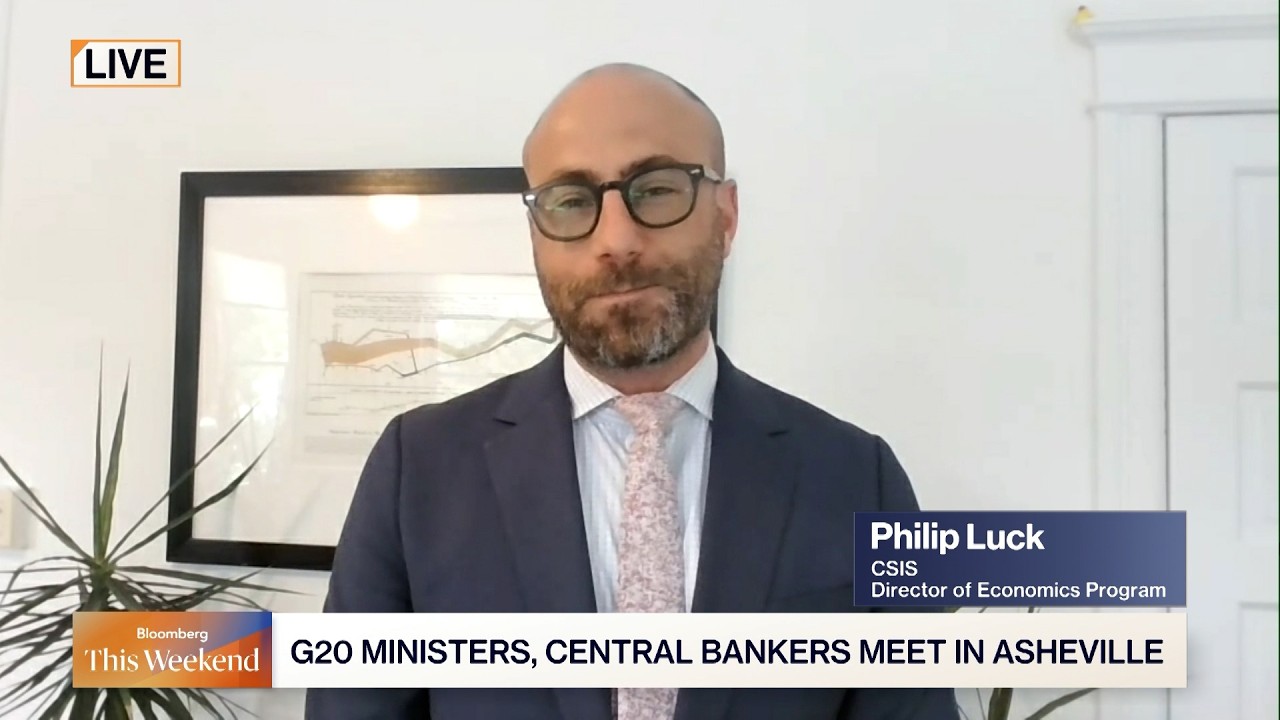
Finance officials from the G20 nations recently convened in North Carolina, a gathering that underscored a growing chasm among the world’s leading economies. While the official agenda centered on perennial challenges like sovereign debt, persistent global imbalances, and the elusive quest for sustained economic growth, the discussions revealed a more fundamental disagreement: not just on the solutions, but on the very nature of the problems themselves. This divergence, as highlighted by Philip Luck, Director of the Economics Program at CSIS, suggests a complex geopolitical landscape where consensus is increasingly difficult to forge.
Simultaneously, a parallel technology summit unfolded, drawing some of the most influential figures in the AI landscape. Elon Musk, Nvidia’s Jensen Huang, and OpenAI’s Sam Altman were among those present, engaging in high-stakes discussions about artificial intelligence and other emerging technologies. This separate track signals the immense weight placed on technological advancement, yet even here, underlying tensions are palpable. Washington, for instance, has been advocating for a lighter regulatory framework, a stance that often clashes with the more cautious approaches favored by other nations concerned about the societal and economic ramifications of unchecked AI development.
The G20’s traditional focus on macroeconomic stability is now irrevocably intertwined with the rapid evolution of technology. The challenge of sovereign debt, for example, is exacerbated by economic slowdowns that can be influenced by technological shifts, supply chain disruptions, and the uneven distribution of AI’s benefits. As nations grapple with rising debt-to-GDP ratios, finding common ground on debt restructuring mechanisms or preventative fiscal policies becomes harder when national economic interests are perceived as diverging so sharply. The US perspective on growth, often emphasizing innovation and market-driven solutions, may not align with countries prioritizing stability or state-led industrial policies.
Global imbalances, a long-standing point of contention, continue to plague international trade and finance. These imbalances, characterized by large current account surpluses in some nations and deficits in others, reflect structural economic differences and often fuel trade disputes. The G20 forum, designed to coordinate policy responses, finds itself navigating a period where trust and shared objectives are under strain. The lack of a unified approach to these deep-seated economic issues suggests a future where unilateral actions might become more common, potentially leading to further fragmentation of the global economy.
The juxtaposition of these two meetings – one addressing traditional economic woes, the other charting the future of technology – paints a clear picture of the dual challenges facing global governance. The presence of figures like Musk, Huang, and Altman at the technology discussions underscores the private sector’s outsized role in shaping the technological frontier, often moving faster than governments can regulate or even fully comprehend. This dynamic creates a significant policy gap, particularly when a major player like the US pushes for minimal regulation, potentially setting a precedent that others may feel compelled to follow or resist, further highlighting the deep ideological rifts on display.
Ultimately, the North Carolina gatherings served as a stark reminder of the intricate and often conflicting priorities among the world’s leading economic powers. Whether on managing the weighty burden of sovereign debt, addressing persistent global imbalances, or charting a responsible course for artificial intelligence, the path forward appears increasingly fractured. The search for common ground, once a hallmark of such international forums, seems to be yielding to a more fragmented reality, where national interests and differing philosophies on economic governance and technological stewardship are taking precedence.