
Fiji Prime Minister Sitiveni Rabuka and Palau President Surangel Whipps Jr. Confront Rising Oil Prices

Leaders across the Pacific are grappling with the escalating global oil crisis, a direct consequence of the ongoing conflict in Iran. The ripple effects are particularly severe for the region’s small island nations, whose economies are heavily reliant on imports and are often described as fragile. The sudden surge in crude prices threatens to destabilize these economies further, impacting everything from transportation costs to the price of essential goods.
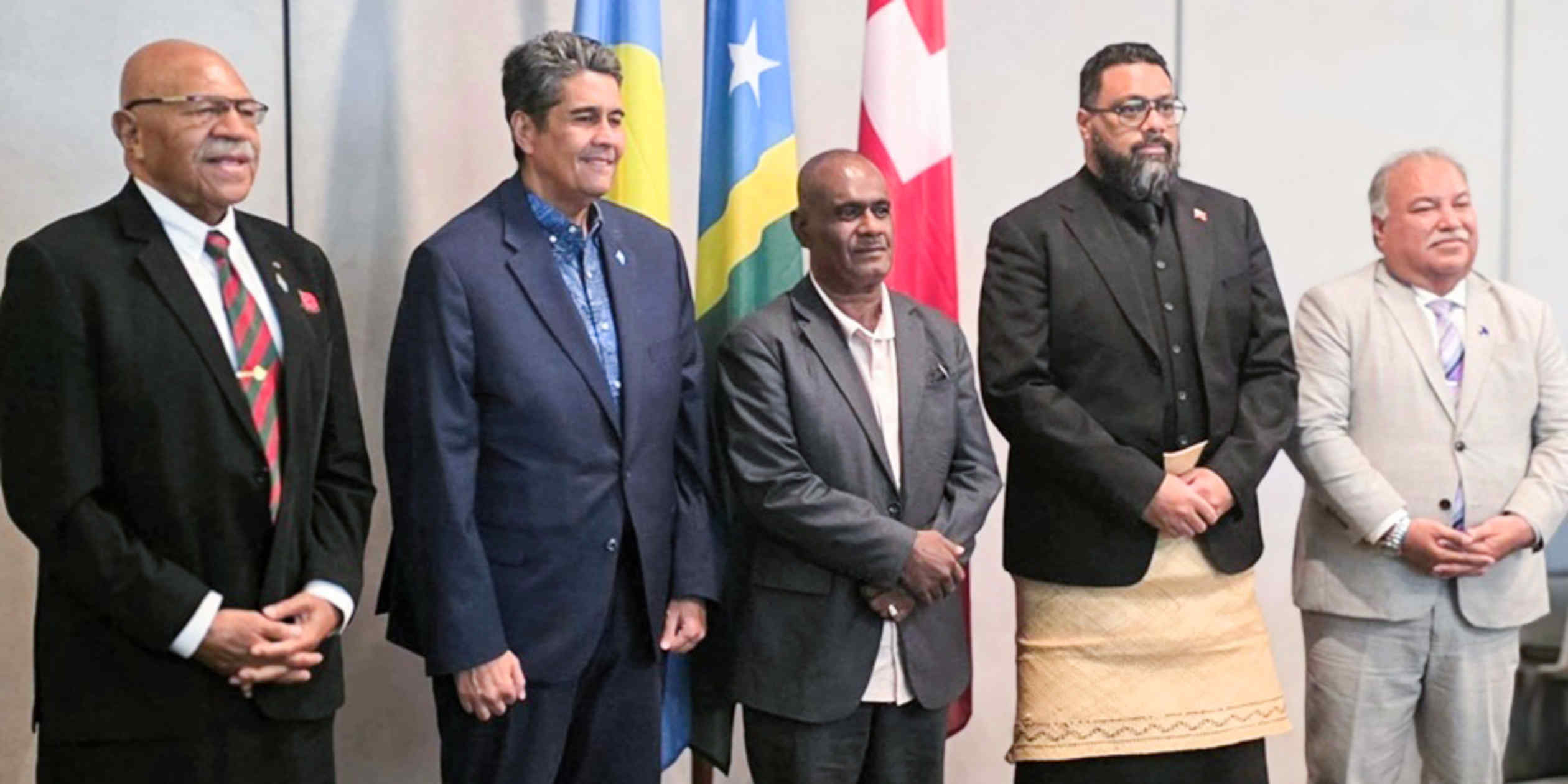
The concern was palpable during a recent meeting in Fiji, where key figures such as Fiji Prime Minister Sitiveni Rabuka, Palau President Surangel Whipps Jr., Solomon Islands Prime Minister Jeremiah Manele, and Tonga Prime Minister Lord Fatafehi Fakafanua convened with Pacific Islands Forum Secretary-General Baron Waqa. While the official agenda covered a range of regional issues, the looming energy crisis undoubtedly cast a long shadow over discussions. For these nations, energy security is not merely an economic talking point but a fundamental issue of survival and stability. Their geographic isolation means that fuel costs disproportionately affect daily life, making the current global volatility a matter of urgent concern.
Unlike larger, more diversified economies, many Pacific island states have limited domestic energy sources and depend almost entirely on imported fossil fuels for electricity generation, transportation, and industrial activities. This dependency renders them acutely vulnerable to fluctuations in international oil markets. A sustained period of high prices translates almost immediately into higher costs for fishing fleets, inter-island shipping, and ground transport, which are all vital for commerce and connecting remote communities. The cumulative effect can be inflationary, eroding purchasing power and potentially leading to social unrest if basic necessities become unaffordable.
The leaders present in Fiji, including Sitiveni Rabuka and Surangel Whipps Jr., are acutely aware of the delicate balance required to maintain economic stability in their respective countries. Their discussions likely centered on strategies to mitigate the immediate impact of rising prices, perhaps through collective bargaining for fuel supplies or exploring emergency relief measures. However, the longer-term challenge involves diversifying energy sources and reducing reliance on imported fossil fuels, a complex undertaking that requires significant investment and technological shifts.
For nations like the Solomon Islands, led by Prime Minister Jeremiah Manele, and Tonga, under Prime Minister Lord Fatafehi Fakafanua, the pressure is immense. Their populations are among the most susceptible to economic shocks. The fishing industry, a cornerstone of many island economies, faces increased operational costs, potentially leading to reduced catches and diminished incomes for local communities. Tourism, another critical sector, could also suffer as travel costs rise, making the region less attractive to international visitors.
The Pacific Islands Forum, represented by Secretary-General Baron Waqa, plays a crucial role in coordinating regional responses to such crises. The forum provides a platform for leaders to share intelligence, develop joint strategies, and advocate for their collective interests on the international stage. In the face of a global energy crunch, this unified approach becomes even more vital, allowing smaller nations to amplify their voices and seek support from larger international bodies and development partners. The situation underscores the interconnectedness of global events and the disproportionate impact they often have on the world’s most vulnerable regions. The discussions among these leaders represent not just a reaction to a crisis, but a concerted effort to safeguard the future of their island nations against forces far beyond their direct control.

Related Posts
Previous Post
Next Post
Sponsored Content

Sponsored Content