
Ukraine’s Drone Innovations Offer New Pathways for Japan’s National Security

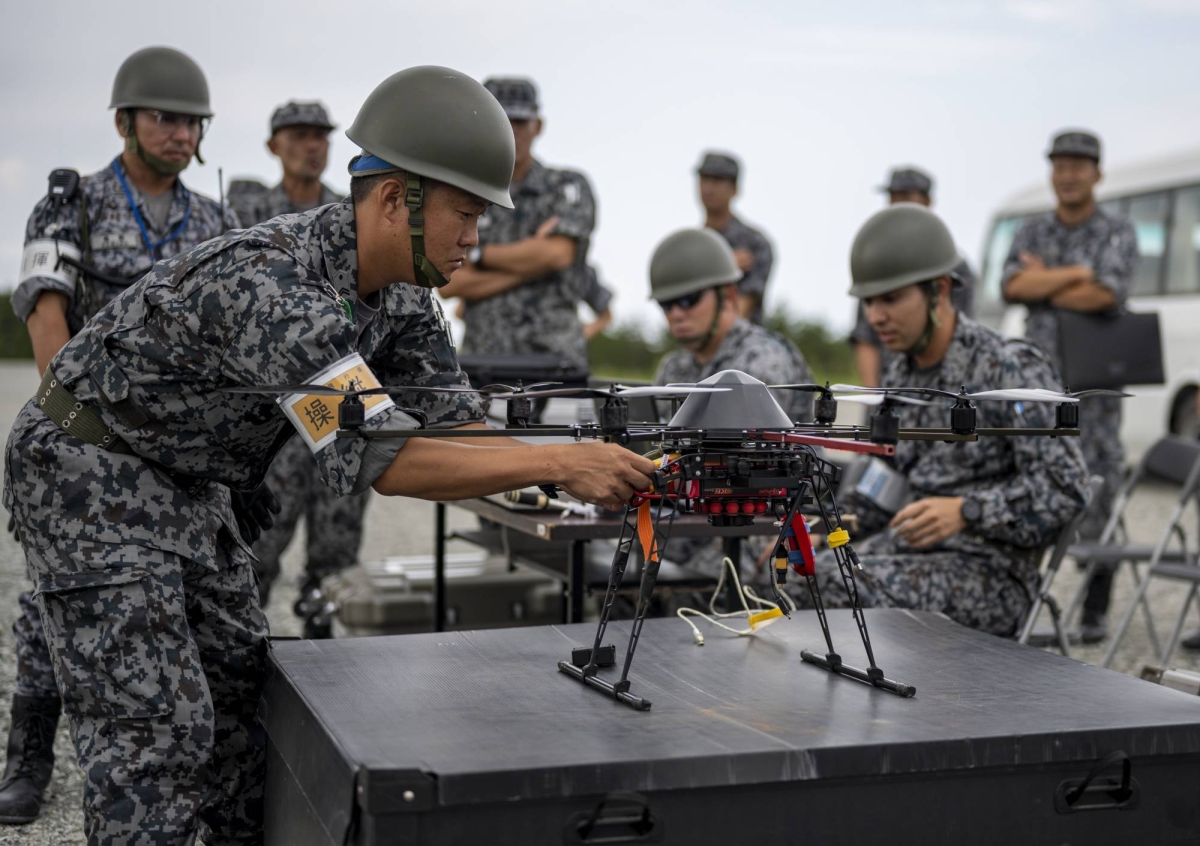
The technological advancements emerging from Ukraine’s defense sector, particularly in uncrewed aerial vehicles, are prompting a re-evaluation of national security strategies in distant nations. These developments are not merely academic exercises but represent practical, battle-tested solutions that some analysts believe could significantly augment the defensive capabilities of countries like Japan. The ongoing conflict has accelerated the development and deployment of sophisticated drone technology, offering insights into their effectiveness in various operational contexts.
Japan, an island nation with a complex geopolitical landscape, continually assesses methods to enhance its self-defense forces. The prospect of integrating advanced drone systems, potentially drawing lessons or even direct technology from Ukraine, presents a compelling argument for bolstering surveillance, reconnaissance, and potentially even deterrent capabilities. This is a conversation that extends beyond simply acquiring hardware; it involves understanding the strategic doctrines and operational efficiencies demonstrated in real-world scenarios.
Shinjiro Koizumi, Japan’s Defense Minister, has previously engaged with media regarding the Maritime Self-Defense Force’s headquarters in Yokosuka, indicating a consistent focus on modernizing and strengthening Japan’s defense posture. While specific discussions about Ukrainian drone technology may not have been publicly detailed, the broader context of seeking advanced solutions for national security remains a priority for the ministry. The minister’s engagement underscores a proactive approach to understanding and adapting to evolving global defense paradigms.
The expertise of academics like James D.J. Brown, a professor of Political Science at Temple University, Japan Campus, often provides crucial context for these discussions. Such experts frequently analyze the geopolitical implications of technological shifts and their potential impact on regional security dynamics. Their insights can help policymakers navigate the complexities of adopting new defense technologies, considering both their immediate tactical advantages and their long-term strategic implications within the broader international relations framework.
The integration of advanced drone technology could offer Japan several advantages. These platforms can provide persistent surveillance over vast maritime areas, crucial for a nation with extensive coastlines and maritime interests. They can also reduce risks to personnel in hazardous reconnaissance missions and offer cost-effective alternatives to traditional manned aircraft for certain operations. The experience gleaned from Ukraine’s innovative use of these systems, including their resilience against electronic warfare and their adaptability in rapidly changing environments, could be particularly valuable. This isn’t just about weaponization; it’s also about intelligence gathering, border protection, and enhancing situational awareness in contested zones.
Furthermore, the potential for collaboration, whether through direct technology transfer or shared research and development, could foster stronger international partnerships. Such collaborations often lead to mutual benefits, allowing nations to pool resources and expertise in developing cutting-edge defense solutions. For Japan, known for its technological prowess, integrating lessons from a nation that has rapidly innovated under duress could catalyze its own defense industrial base, fostering domestic innovation in areas like artificial intelligence for drone autonomy and advanced sensor systems. The focus remains on how these tools can contribute to a robust, layered defense, ensuring the security and stability of the region without necessarily escalating tensions. The careful consideration of these technologies reflects a broader trend among nations to leverage asymmetric advantages in an increasingly complex global security environment.

Previous Post
Next Post
Sponsored Content

Sponsored Content