
Mauritius Port Sees 40 Percent Surge in Ship Refueling as Global Conflicts Reroute Maritime Traffic

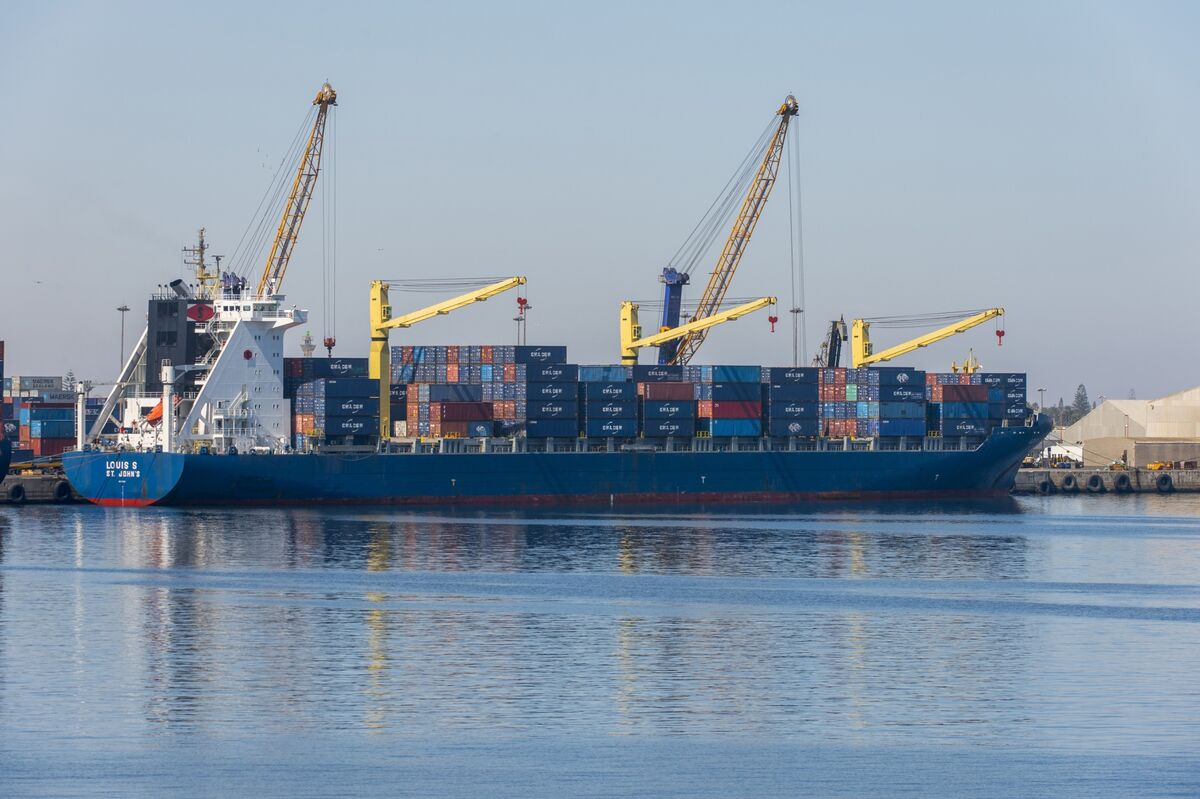
The normally tranquil waters surrounding Mauritius have become an unexpected hub for global shipping, with the island nation’s main port reporting a significant 40 percent increase in vessel refueling activity. This surge is directly attributable to ongoing geopolitical tensions and conflicts in key maritime corridors, prompting international shipping companies to seek alternative, safer routes and service stops. The shift underscores the far-reaching economic ripples of distant conflicts, reshaping logistical networks in real-time.
For centuries, maritime trade has adapted to global events, but the speed and scale of the current redirection are notable. Vessels that would typically traverse routes through more volatile regions are now opting for longer journeys around Africa, with Mauritius strategically positioned to capitalize on this altered landscape. The port’s capacity, while robust, is experiencing an unprecedented level of demand for bunkering services, a critical component of long-haul voyages. This sudden increase places both an opportunity and a strain on local infrastructure and supply chains.
Local port authorities and fuel suppliers in Mauritius have been working to accommodate the heightened traffic. Discussions are underway regarding potential expansions and upgrades to ensure sustained service quality, as the duration of these rerouted journeys remains uncertain. The economic benefits for Mauritius are immediate, with increased revenue from port fees, fuel sales, and ancillary services, providing a welcome boost to the island’s economy. However, managing the logistics of such a substantial and rapid influx of large commercial vessels presents its own set of challenges, from berth availability to the timely replenishment of fuel stocks.
Shipping analysts suggest that while some of this re-routing may be temporary, a portion could become permanent, particularly if geopolitical instabilities persist. Companies are often hesitant to revert to older, potentially riskier routes once they establish new, reliable alternatives. This could mean a sustained elevation in maritime activity for ports like Mauritius, fundamentally altering their role in the global shipping matrix. The current situation serves as a stark reminder of how interconnected global trade is, where events in one part of the world can directly influence economic activity thousands of miles away.
The vessels seeking refueling in Mauritius range from large container ships to oil tankers and bulk carriers, all adapting their schedules to navigate around areas deemed high-risk. This collective decision by numerous shipping lines highlights a shared assessment of the current global security environment. The ripple effect extends beyond just fuel; it encompasses provisions, crew changes, and minor repairs, all contributing to a bustling port environment that was not anticipated just a few months prior. The long-term implications for Mauritius, both in terms of economic development and its strategic positioning in global trade, are now a subject of considerable interest and planning.

Previous Post
Next Post
Sponsored Content

Sponsored Content