
Mozambique Now Leads African Nations in Debt Distress, Surpassing Senegal

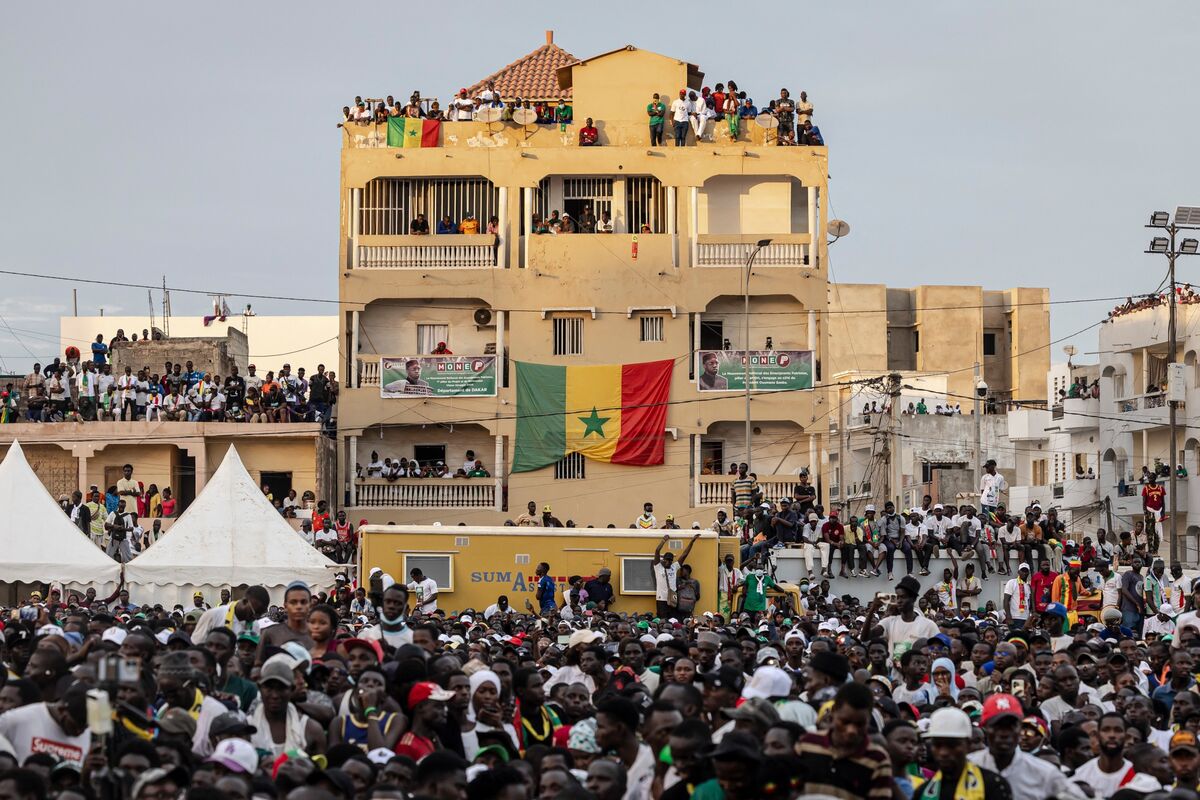
Mozambique has recently taken on the unenviable position of Africa’s most distressed sovereign issuer, a shift that spotlights the persistent economic vulnerabilities within the continent. This development, which saw the southern African nation overtake Senegal, stems from a confluence of factors including ongoing debt restructuring challenges, the impact of global economic fluctuations, and internal fiscal pressures. The re-evaluation of Mozambique’s financial health by various international bodies and credit agencies reflects a deepening concern over its capacity to manage its significant external obligations.
The nation’s debt woes are not a new phenomenon; they have been a recurring theme in its post-civil war economic narrative. However, the current situation is exacerbated by a particularly complex debt profile, which includes a substantial portion of commercial loans and bonds. These are often less amenable to restructuring than bilateral or multilateral debt, adding layers of difficulty to any potential resolution. In contrast, Senegal, while still facing its own economic hurdles, has managed to navigate its recent financial challenges with slightly more flexibility, leading to its improved relative standing. This doesn’t suggest a robust recovery for Senegal, but rather a less acute level of distress compared to Mozambique.
A significant contributing factor to Mozambique’s current predicament is the lingering fallout from the “hidden debt” scandal that emerged several years ago. This involved undisclosed loans guaranteed by the government, which plunged the country into a severe financial crisis and led to the suspension of aid from key international donors. While efforts have been made to address the legacy of this scandal, including negotiations with creditors, the long-term economic and reputational damage continues to weigh heavily on the nation’s fiscal outlook. Foreign direct investment, crucial for economic growth, has been particularly sensitive to these unresolved issues.
Furthermore, Mozambique’s economy, heavily reliant on natural resources, particularly liquefied natural gas (LNG), remains susceptible to commodity price volatility. While the long-term prospects for its gas industry are often cited as a potential game-changer, the immediate benefits are yet to fully materialize. Large-scale projects require enormous upfront investment and years to reach full production capacity, meaning the country continues to grapple with present-day revenue shortfalls while anticipating future gains. This structural imbalance puts considerable strain on public finances, especially when global energy markets experience downturns or geopolitical disruptions.
The implications of this heightened distress are far-reaching, affecting not only Mozambique’s ability to secure new financing but also its social programs and development initiatives. A nation grappling with severe debt distress often finds its capacity to invest in critical sectors like healthcare, education, and infrastructure severely curtailed. This can lead to a vicious cycle where underdevelopment perpetuates economic vulnerability, making it harder to break free from debt traps. International Monetary Fund and World Bank engagement remains critical, but their interventions are often conditioned on stringent fiscal reforms that can be politically challenging to implement.
For investors and analysts, Mozambique’s position serves as a stark reminder of the diverse and often unpredictable economic landscapes within emerging markets. While the narrative around African growth often focuses on its immense potential, the reality for many nations involves navigating complex financial structures, governance challenges, and external shocks. The trajectory of Mozambique’s debt resolution efforts will be closely watched, as it could offer insights into broader trends in sovereign debt management across the continent. The path forward for Mozambique will undoubtedly require sustained political will, transparent governance, and a concerted effort to engage with its creditors on sustainable terms.

Previous Post
Next Post
Sponsored Content

Sponsored Content