

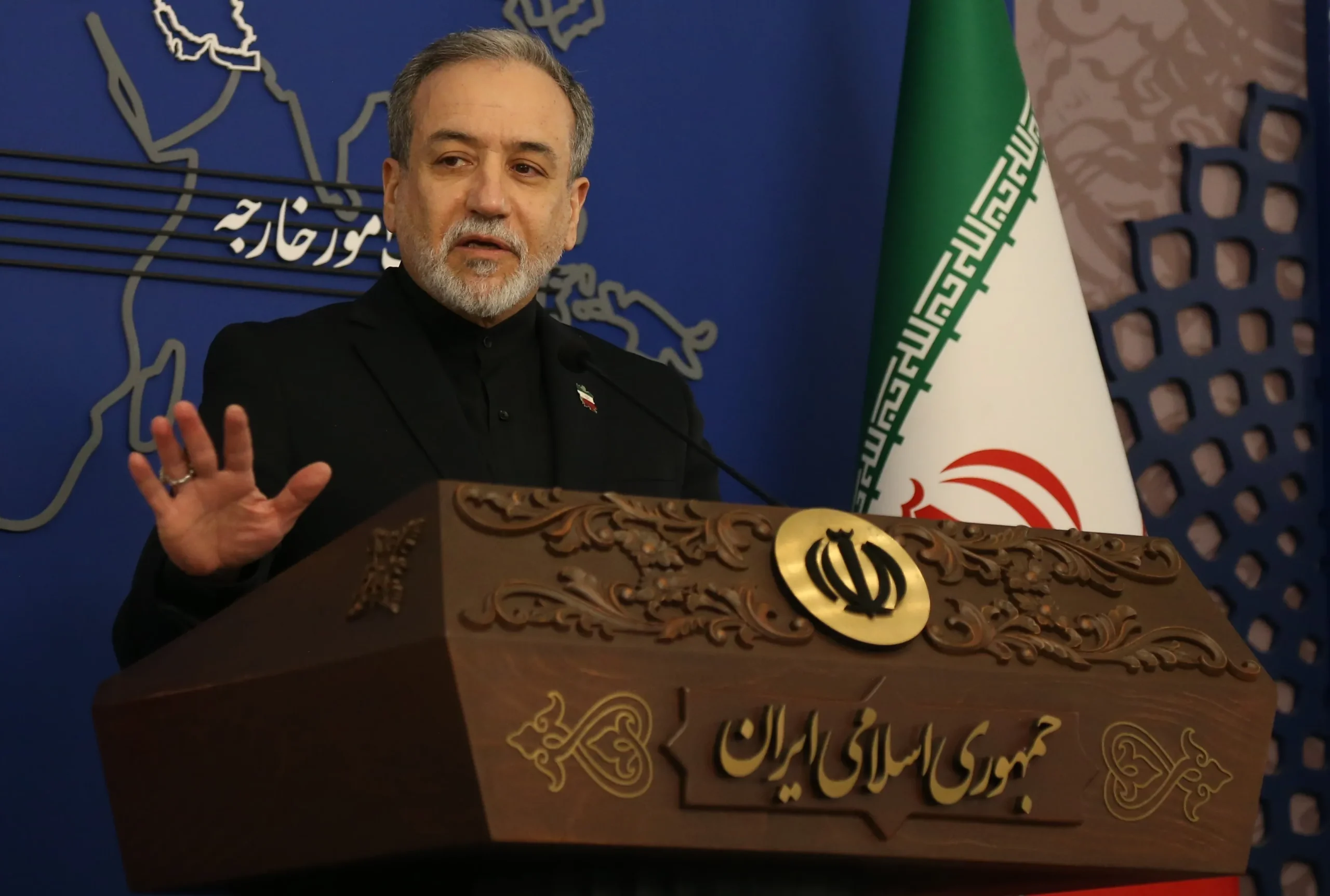
Iran has indicated its readiness to permit Japanese vessels unimpeded passage through the Strait of Hormuz, according to reports from Kyodo News. This development emerges against a backdrop of heightened maritime security concerns in the critical waterway, a choke point for a significant portion of the world’s oil supply. The offer signals a potential diplomatic overture from Tehran, particularly as international efforts continue to de-escalate tensions in the Persian Gulf region.
The Strait of Hormuz has been a flashpoint for incidents involving commercial shipping in recent years, prompting various nations to consider enhanced security measures for their maritime traffic. For Japan, a nation heavily reliant on imported energy, the security of its supply lines through Hormuz is paramount. Any assurance of safe passage from a key regional player like Iran would naturally be met with considerable interest in Tokyo. This communication, reportedly conveyed through diplomatic channels, highlights the intricate web of relationships and dependencies that define geopolitics in the Middle East.
While the specifics of Iran’s offer remain somewhat opaque in public reporting, the timing is notable. Global powers have been urging restraint and seeking avenues for dialogue to prevent further escalation in the Gulf. Japan, with its historically neutral stance and strong economic ties to both Iran and other regional actors, has often played a mediating role. This latest development could be seen as an extension of those diplomatic efforts, potentially carving out a specific pathway for Japanese interests even as broader maritime security challenges persist.
The implications of such an arrangement extend beyond mere transit rights. It could underscore a degree of trust, or at least a practical understanding, between Tehran and Tokyo regarding maritime conduct. For Iran, extending such an offer to a major economic power like Japan might also serve to subtly counter narratives of isolation, presenting itself as a responsible actor willing to facilitate international trade under certain conditions. However, the broader context of international sanctions and ongoing nuclear negotiations will undoubtedly color how this offer is perceived and ultimately acted upon.
Navigating the complexities of the Strait of Hormuz requires a delicate balance of military presence, diplomatic assurances, and adherence to international maritime law. Should Japanese vessels indeed begin to utilize this understanding with Iran, it would represent a tangible outcome of persistent diplomatic engagement. The international community will be watching closely to see if this reported readiness translates into concrete agreements and, more importantly, into sustained peace of navigation for all vessels passing through one of the world’s most vital waterways.

Related Posts
Previous Post
Next Post

Sponsored Content

Sponsored Content