
Escalating Tensions as Iran Intensifies Gulf Attacks Amid US and Israeli Regional Fallout

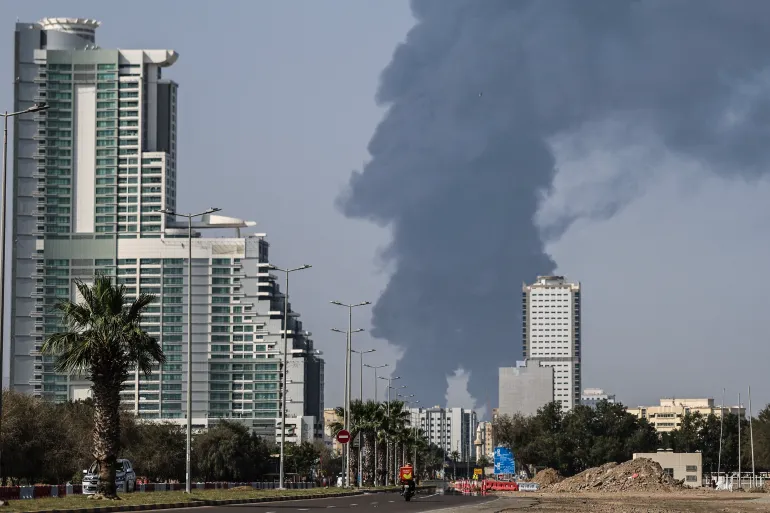
The Strait of Hormuz, a critical chokepoint for global oil shipments, has once again become a focal point of geopolitical friction, with recent reports indicating an intensification of Iranian naval activities and drone incursions across the Gulf. These actions are widely perceived as a direct consequence of the ongoing, complex interplay between US and Israeli regional strategies, creating a volatile environment that threatens to destabilize international shipping lanes and energy markets. Maritime security analysts have noted a distinct shift in the frequency and nature of incidents, moving beyond mere posturing to more direct and assertive maneuvers that challenge established protocols and international boundaries.
Sources within regional security apparatuses suggest that the recent uptick in Iranian operations extends beyond the routine patrols that have historically characterized the area. There have been multiple documented instances of unmanned aerial vehicles (UAVs) encroaching on the airspace of neighboring nations, alongside swift, unannounced movements by Islamic Revolutionary Guard Corps (IRGC) naval vessels in proximity to commercial shipping. These actions, while not always resulting in direct confrontation, contribute to an atmosphere of heightened alert and necessitate a constant state of readiness from international naval forces present in the Gulf, including elements of the US Fifth Fleet.
The backdrop to these developments is a series of strategic maneuvers by both the United States and Israel designed to counter what they describe as Iran’s destabilizing influence in the Middle East. This includes joint military exercises, enhanced intelligence sharing, and the strengthening of alliances with Gulf Cooperation Council (GCC) states. From Tehran’s perspective, these efforts represent an aggressive encirclement, justifying a more assertive posture in its own territorial waters and beyond. The Iranian government has consistently framed its actions as defensive measures, aimed at protecting its sovereignty and national interests against external pressures.
International diplomatic efforts to de-escalate the situation have thus far yielded limited results. While channels of communication remain open through intermediaries, the fundamental disagreements persist. The United States continues to advocate for a return to nuclear negotiations, albeit with stricter parameters, alongside a reduction in Iran’s regional proxy activities. Israel, meanwhile, maintains its firm stance against any Iranian nuclear ambitions and has not ruled out unilateral action to prevent such a development, a position that further fuels Tehran’s sense of vulnerability and defiance.
The economic implications of prolonged instability in the Gulf are substantial. A significant portion of the world’s crude oil supply transits through the Strait of Hormuz daily, making any disruption a potential trigger for global energy price spikes and supply chain bottlenecks. Insurance premiums for vessels operating in the region have already seen increases, reflecting the elevated risk profile. Shipping companies are increasingly wary, with some exploring alternative, albeit longer and more costly, routes to mitigate potential threats, underscoring the tangible impact of these geopolitical tensions on global commerce.
As the intricate dance of regional power continues, the question remains whether the current trajectory will lead to open conflict or if a diplomatic off-ramp can be found. The intensified Iranian actions serve as a stark reminder of the fragile balance in the Gulf, where the fallout from US and Israeli policies creates ripple effects far beyond their intended scope. The international community watches closely, aware that miscalculation or escalation could have profound and lasting consequences for global security and economic stability.

Related Posts
Previous Post
Next Post
Sponsored Content

Sponsored Content