

Sri Lanka Extends Unprecedented Tax Breaks to Draw Global Investors to Port City Colombo

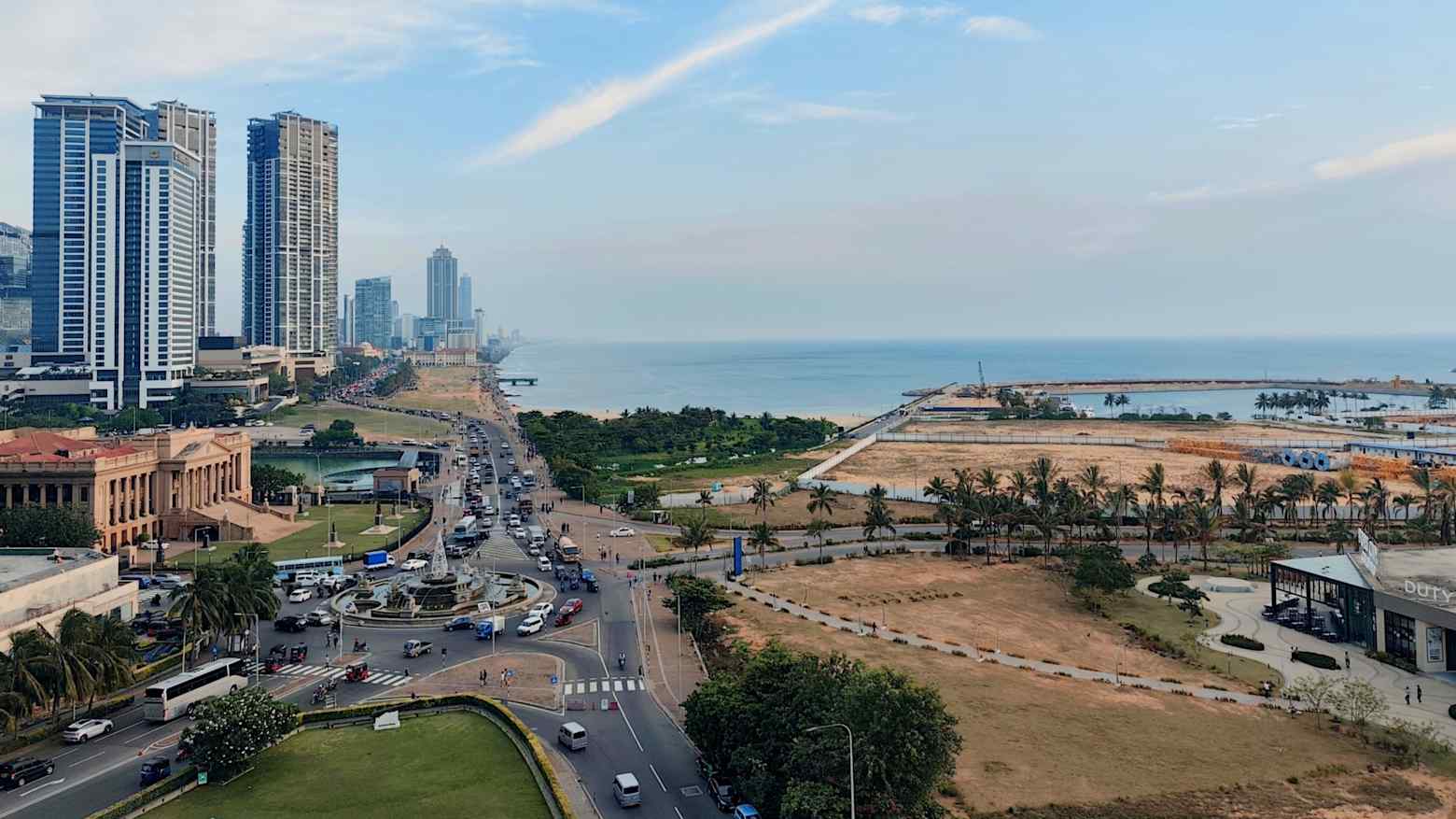
The ambitious Port City Colombo project, a significant land reclamation initiative visible from the bay area, is now the centerpiece of Sri Lanka’s strategy to attract international capital. This massive undertaking, valued at an estimated $15 billion, is being positioned as a crucial new hub for finance and trade within the broader region. Authorities have recently unveiled a comprehensive campaign designed to entice foreign investment, offering a suite of incentives previously unseen in the nation.
Central to this renewed push are substantial tax concessions and the promise of full foreign ownership for businesses established within the Port City’s jurisdiction. These provisions aim to mitigate perceived risks and enhance the attractiveness of the venture for global corporations and financial institutions. The economic landscape of Sri Lanka has faced various challenges in recent times, making the successful realization of projects like Port City Colombo even more critical for long-term stability and growth. The government appears to be signaling a clear intent to create an environment that fosters international business, moving beyond traditional investment models.
The strategic location of Colombo, situated along key shipping routes in the Indian Ocean, underpins much of the project’s potential. Developers envision a dynamic urban center complete with residential areas, commercial districts, and a dedicated financial zone, all built on newly created land. This vision requires not only significant financial backing but also the establishment of a robust regulatory framework that instills confidence in potential investors. The current campaign, therefore, includes assurances regarding legal and operational flexibility, aiming to differentiate Port City Colombo from other regional economic zones.
For investors considering the opportunity, the full foreign ownership clause presents a notable departure from common practices in many developing economies, where local partnerships or equity caps are often mandated. This level of autonomy, coupled with the significant tax holidays, suggests a concerted effort to remove barriers that might deter foreign entities. The scale of the investment required to fully realize the $15 billion project necessitates a broad appeal, targeting a diverse range of sectors from financial services to tourism and logistics.
The development, physically taking shape on reclaimed land, represents a tangible commitment to transforming Sri Lanka’s economic profile. As the campaign unfolds, global financial markets and potential investors will undoubtedly be scrutinizing the specifics of the incentives, the legal guarantees, and the long-term stability offered by the Port City Colombo initiative. The coming months will be crucial in determining whether these unprecedented measures translate into the significant influx of foreign capital the island nation is actively seeking.

Previous Post
Next Post


Sponsored Content

Sponsored Content