

Big Tech’s Persistent AI Investments Signal No Slowdown Through 2026

The financial reports emerging from major technology companies paint a consistent picture: artificial intelligence remains a central pillar of their strategic outlays. Despite broader economic uncertainties, the commitment to AI development and deployment appears unwavering, with significant capital allocations projected to extend well into 2026. This sustained investment suggests a deep-seated belief in the transformative potential of AI across various sectors, moving beyond initial exploratory phases into more integrated and expansive applications.
Observers tracking these fiscal trends note that the sheer scale of the investment is difficult to overstate. It reflects not just a pursuit of innovation but also a competitive imperative, as companies vie for dominance in emerging AI-driven markets. The spending is not monolithic; it encompasses a wide array of activities, from foundational research in machine learning algorithms to the development of specialized hardware designed to accelerate AI computations. This multifaceted approach underscores the complexity and breadth of the AI landscape these corporations are navigating.
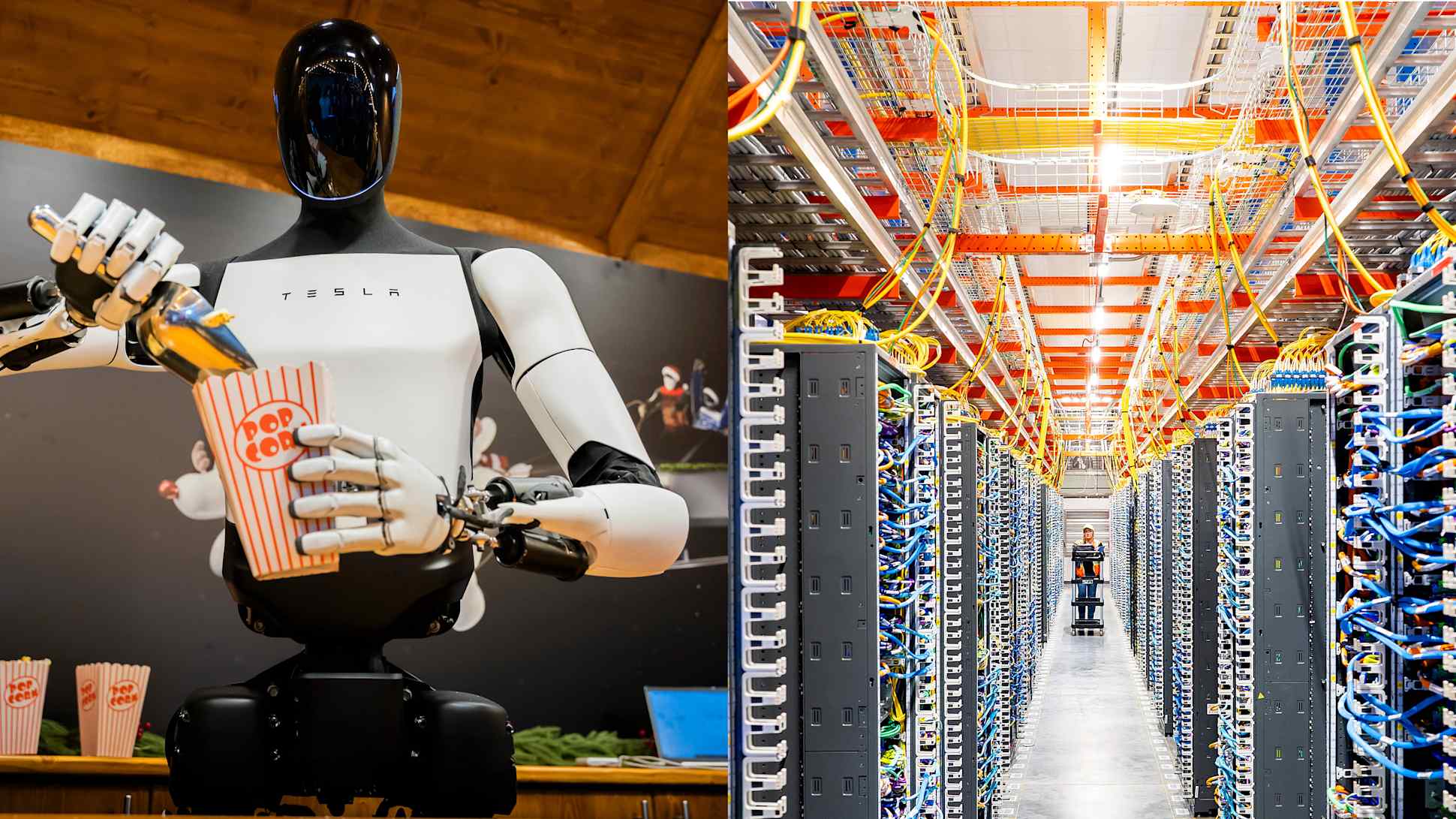
Beyond the well-trodden paths of cloud computing, which continues to absorb substantial AI-related investment, newer frontiers are attracting significant resources. Humanoid robotics, for instance, is emerging as a distinct area of interest, signaling a potential shift towards more embodied AI applications. These developments suggest a future where AI is not just an abstract computational force but an integral part of physical operations, potentially revolutionizing industries from manufacturing to logistics.
Another significant area gaining traction is edge computing. This involves processing data closer to its source, rather than relying solely on centralized cloud servers. For AI applications, this can translate into faster response times, reduced bandwidth usage, and enhanced privacy, particularly for sensitive data. The confluence of AI with edge computing is poised to unlock new possibilities for real-time analytics and autonomous systems, pushing computational intelligence further into the physical world and away from solely data center-bound operations.
Industrial applications also feature prominently in the investment strategies. This encompasses the integration of AI into manufacturing processes, supply chain optimization, and predictive maintenance, among other areas. The goal here is often to enhance efficiency, reduce operational costs, and improve safety standards. The practical, tangible benefits of AI in industrial settings are becoming increasingly evident, driving further investment from companies looking to gain a competitive edge in mature markets.
The sustained capital commitment by Big Tech through 2026 challenges any notion of a cooling market or a speculative bubble in AI. Instead, it suggests a strategic long-term vision, where AI is seen as fundamental to future growth and innovation. The investment isn’t merely about incremental improvements; it’s about fundamentally reshaping industries and creating entirely new economic paradigms. As companies continue to pour resources into these areas, the implications for technology, economy, and society will undoubtedly be profound.

Related Posts



Previous Post
Next Post

Sponsored Content

Sponsored Content