
Japan’s February Election: What Sanae Takaichi’s Leadership Could Mean for Global Diplomacy

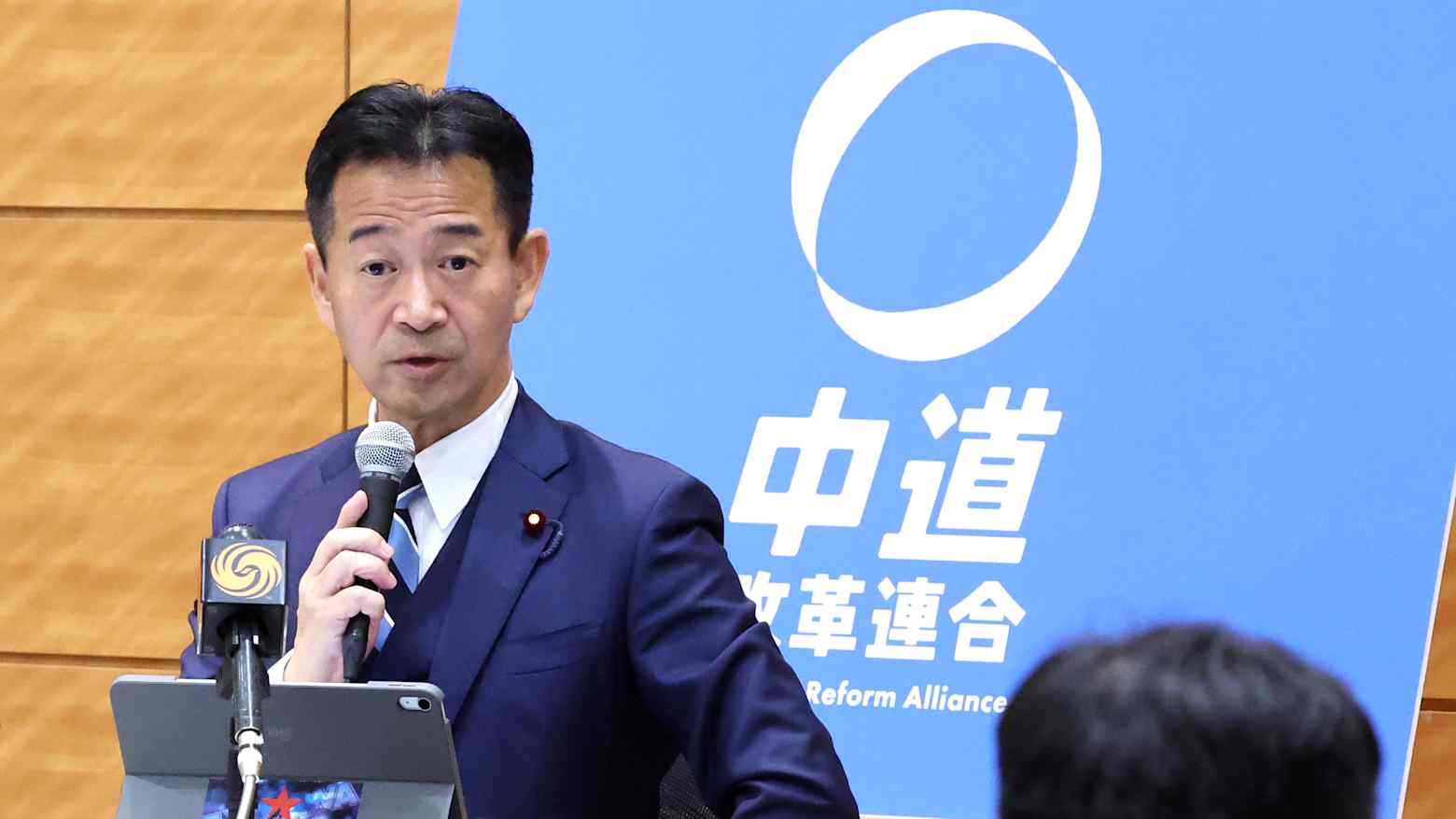
The political landscape in Japan is currently under intense scrutiny as the nation approaches a pivotal lower house election scheduled for February 8. Sanae Takaichi, who not only serves as Japan’s prime minister but also leads the ruling Liberal Democratic Party, has been actively campaigning, most recently observed in Tokyo on January 27. This election is not merely a domestic affair; its outcome will inevitably ripple through international relations, influencing policies and partnerships across various regions.
For observers beyond Japan’s borders, the implications of this particular poll extend far beyond the immediate electoral results. The composition of the lower house will dictate the trajectory of Japan’s foreign policy, its economic strategies, and its approach to regional security challenges. Analysts from publications like Nikkei Asia have already begun dissecting the potential ramifications, with regular columnists offering their perspectives on what a Takaichi-led government, or any shift in the political balance, might signify for their respective areas of interest. The stakes are particularly high given Japan’s significant role in global trade, its technological prowess, and its strategic alliances.
A stable and predictable government in Tokyo offers reassurance to international markets and diplomatic partners. Conversely, any unexpected shifts could introduce an element of uncertainty, prompting a re-evaluation of existing agreements and future collaborations. The Liberal Democratic Party, under Takaichi’s direction, has generally advocated for a robust defense posture and an active role in multilateral institutions. Should they secure a strong mandate, it is anticipated that these policy directions would be reinforced, potentially leading to increased engagement in regional security dialogues and a continued focus on strengthening alliances with key democratic nations.
The economic policies that emerge from the new government will also be closely watched by international investors and trade partners. Japan’s economy, a global powerhouse, faces ongoing challenges including demographic shifts and the need for sustained innovation. Decisions made in Tokyo regarding fiscal stimulus, trade agreements, and regulatory frameworks will have a direct impact on supply chains, investment opportunities, and overall economic stability across Asia and beyond. The interconnectedness of modern economies means that even seemingly internal policy adjustments can have significant external consequences, affecting everything from commodity prices to currency valuations.
Furthermore, Japan’s stance on critical geopolitical issues, such as maritime disputes in the East and South China Seas or tensions on the Korean Peninsula, is largely shaped by its leadership. The outcome of the February 8 election will therefore be instrumental in determining the diplomatic tone and operational responses Japan adopts in these sensitive areas. The international community, particularly nations with vested interests in regional stability, will be keen to understand how the new government intends to navigate these complex challenges, whether through assertive diplomacy, continued economic leverage, or a combination of approaches.
Ultimately, the election is more than a simple exercise in democratic process for Japan. It represents a critical juncture that will define the nation’s posture on the world stage for the foreseeable future. As Sanae Takaichi and her party vie for control, the global community watches closely, understanding that the choices made by Japanese voters will resonate far beyond their archipelago. The implications for international relations, economic stability, and regional security are profound, making this election a matter of considerable global importance.

Previous Post
Next Post


Sponsored Content

Sponsored Content