
Angola Pursues a $1.4 Billion Debt-for-Health Exchange Beginning in 2026

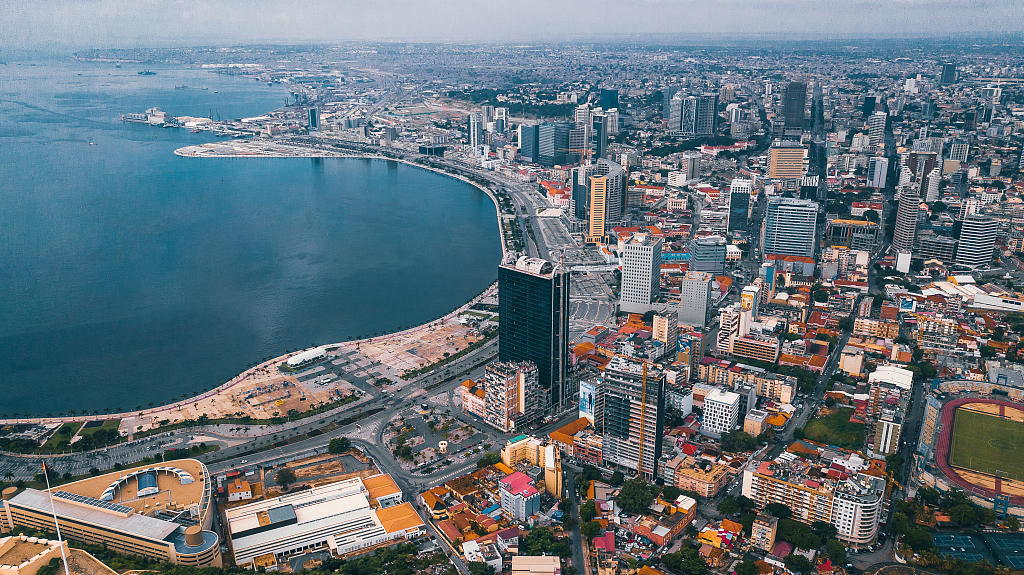
Angola is setting the stage for a significant financial maneuver, aiming to convert $1.4 billion of its external debt into investments for its healthcare sector, with plans to initiate this swap in 2026. This initiative represents a strategic pivot for the Southern African nation, seeking to leverage its financial obligations as a catalyst for critical social infrastructure development. The proposed debt-for-health swap is not merely a financial transaction but a complex negotiation designed to alleviate the country’s debt burden while simultaneously addressing pressing public health needs.
The mechanism behind such an exchange involves creditor nations or institutions agreeing to forgo a portion of the debt owed to them by Angola. In return, Angola commits to investing an agreed-upon sum, often in local currency, into specific health programs or infrastructure projects that benefit its population. This approach offers a dual advantage: it reduces the debtor nation’s foreign currency obligations and channels funds directly into vital sectors, which might otherwise struggle for adequate funding. For Angola, a country that has faced significant economic challenges, including fluctuations in oil prices and the lingering effects of global economic downturns, this type of arrangement could provide much-needed fiscal relief and a dedicated funding stream for health improvements.
Discussions surrounding the framework and eligibility criteria for this $1.4 billion swap are expected to intensify over the coming months. Typically, these agreements require meticulous planning and transparency to ensure that the funds are utilized effectively and that the intended health outcomes are achieved. International organizations and development banks often play a crucial role in facilitating these swaps, providing technical assistance and oversight to guarantee accountability. Angola’s government will likely need to present a detailed plan outlining the specific health initiatives that will benefit from this investment, ranging from strengthening primary healthcare services to expanding access to critical medical supplies and infrastructure.
The long-term implications of such a substantial debt-for-health swap could be transformative for Angola’s public health landscape. Improved access to healthcare, enhanced disease prevention programs, and the modernization of medical facilities could contribute significantly to the well-being of its citizens. Furthermore, a successful implementation of this initiative could serve as a model for other developing nations grappling with similar challenges of high external debt and underfunded social sectors. It underscores a growing global recognition that financial stability and public health are intrinsically linked, and that innovative solutions are required to address these interconnected issues.
While the 2026 timeline provides a window for extensive preparation, the success of this ambitious plan hinges on several factors. These include the willingness of Angola’s creditors to participate in the swap, the nation’s capacity to effectively manage and disburse the allocated funds, and its commitment to robust governance and anti-corruption measures. The Angolan authorities will be under scrutiny to demonstrate that this financial restructuring translates into tangible improvements in the lives of its people, ultimately proving the efficacy of debt-for-development initiatives on such a grand scale.
Related articles: Congo Seeks $750 Million Through First Eurobond Sale, Testing Investor Confidence, Millionaires and Billionaires Urge Davos Leaders to Boost Taxes on the Super Rich, JPMorgan’s Bet: Why South African Banks Are Suddenly the Continent’s Darling, Amex CEO Reports Thanksgiving Holiday Spending Jumped 9%, Signaling Resilient U.S. Consumer Demand

Sponsored Content

Sponsored Content