
Trump’s Greenland Ambitions: Will US Military Base Sovereignty Spark New NATO Tensions?

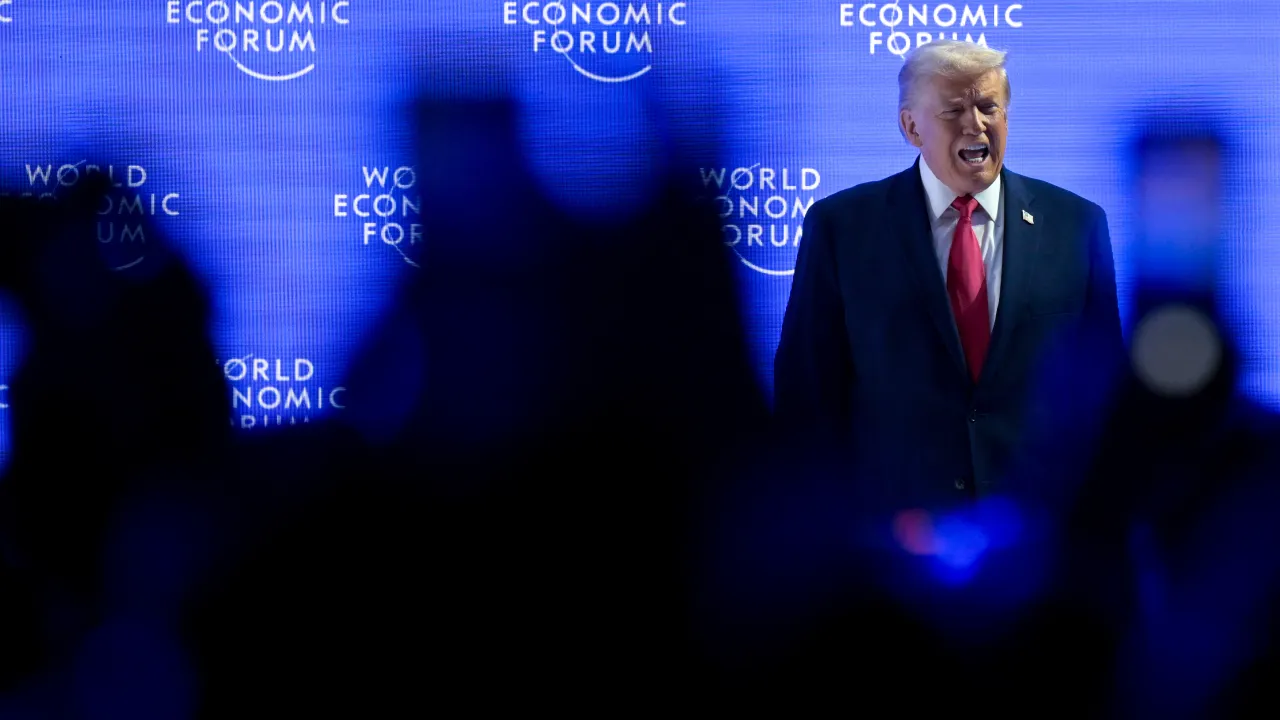
The recent agreement between President Donald Trump and NATO Secretary General Mark Rutte appeared to defuse a brewing crisis over Greenland, yet lingering questions regarding the United States’ long-term role on the semi-autonomous Danish island continue to surface. While a framework for a future security deal was established, allowing for “total access” to Greenland and incorporating a “Golden Dome” missile-defense system, the specifics of this arrangement, particularly surrounding the sovereignty of American military installations, remain a point of potential contention.
President Trump, in an interview with the New York Post, asserted that the U.S. would gain sovereignty over parts of Greenland currently housing American military bases, implying outright ownership of the land. He stated, “We’ll have everything we want. We have some interesting talks going on.” This declaration, however, runs counter to earlier suggestions that a different model, akin to the United Kingdom’s sovereignty over its military bases in Cyprus, might be under consideration. Such an arrangement would grant the U.S. operational control without outright territorial ownership. A NATO spokesperson previously clarified that Rutte did not propose any compromise on sovereignty during his discussions with President Trump, emphasizing that negotiations involving Denmark, Greenland, and the U.S. would proceed to bolster the island’s security against potential threats from Russia and China.
The prospect of the U.S. claiming sovereignty over any part of Greenland has already drawn firm responses from local leadership. Greenlandic Prime Minister Jens-Frederik Nielsen, when questioned about the possibility of U.S. sovereignty over small pockets of the island, emphatically stated, “we are ready to negotiate a better partnership and and so on, but sovereignty is a red line.” This sentiment was echoed by Danish Prime Minister Mette Frederiksen, who declared, “we cannot negotiate on our sovereignty.” Her office declined to comment on President Trump’s recent interview, indicating the delicate nature of the ongoing discussions. The disparity between President Trump’s public statements and the firm stance of Greenlandic and Danish authorities underscores the potential for renewed diplomatic friction.
This situation unfolds against a backdrop of President Trump’s often unpredictable foreign policy maneuvers. The temporary de-escalation of the Greenland crisis itself followed his earlier threat to impose tariffs on several NATO countries unless they supported his initial, more expansive bid to control the entire island. His willingness to use tariffs as a foreign policy instrument has been evident in other contexts, including a recent declaration to impose a 100% tariff on Canada if it pursues a trade deal with China, a reversal from earlier approval. Furthermore, he announced plans to impose secondary levies on countries trading with Iran, an action that could disrupt the existing tariff ceasefire with China.
The fragility of any agreements made by the U.S. administration, particularly those involving international sovereignty, is a recurring theme. The earlier Greenland crisis, during which President Trump also declined to rule out military action against NATO allies, highlighted this volatility. While a trade deal with the European Union last year set most tariffs at 15%, President Trump later vowed to introduce an additional 10% duty, escalating to 25%, on both EU and non-EU countries. Such rapid shifts in policy and rhetoric create an environment of uncertainty for international partners.
The current discussions surrounding U.S. military bases in Greenland, therefore, are not merely about strategic access but touch upon fundamental principles of national sovereignty and international relations. The clear “red line” drawn by Greenlandic and Danish leaders suggests that any attempt by the U.S. to assert territorial sovereignty over its base locations would likely reignite the very tensions that were recently assuaged, potentially complicating broader security cooperation within NATO. The outcome of these intricate negotiations will undoubtedly be closely watched by allies and adversaries alike, offering further insight into the evolving dynamics of global power.
Related articles: Panama Canal Sees Soaring US Crude Shipments as Asian Buyers Navigate Global Tensions, Taiwan Approves Substantial Defense Budget Amid Rising Regional Tensions with China, South Korean Ship Ablaze in Strait of Hormuz as Trump Points to Iranian Attack, Representative Kiley Emphasizes Iran Must Not Attain Nuclear Weapons Capability
Previous Post
Next Post


Sponsored Content

Sponsored Content