

America Faces a Surge in Manufacturing Jobs—But Gen Z Is Avoiding the One Trade Most in Demand

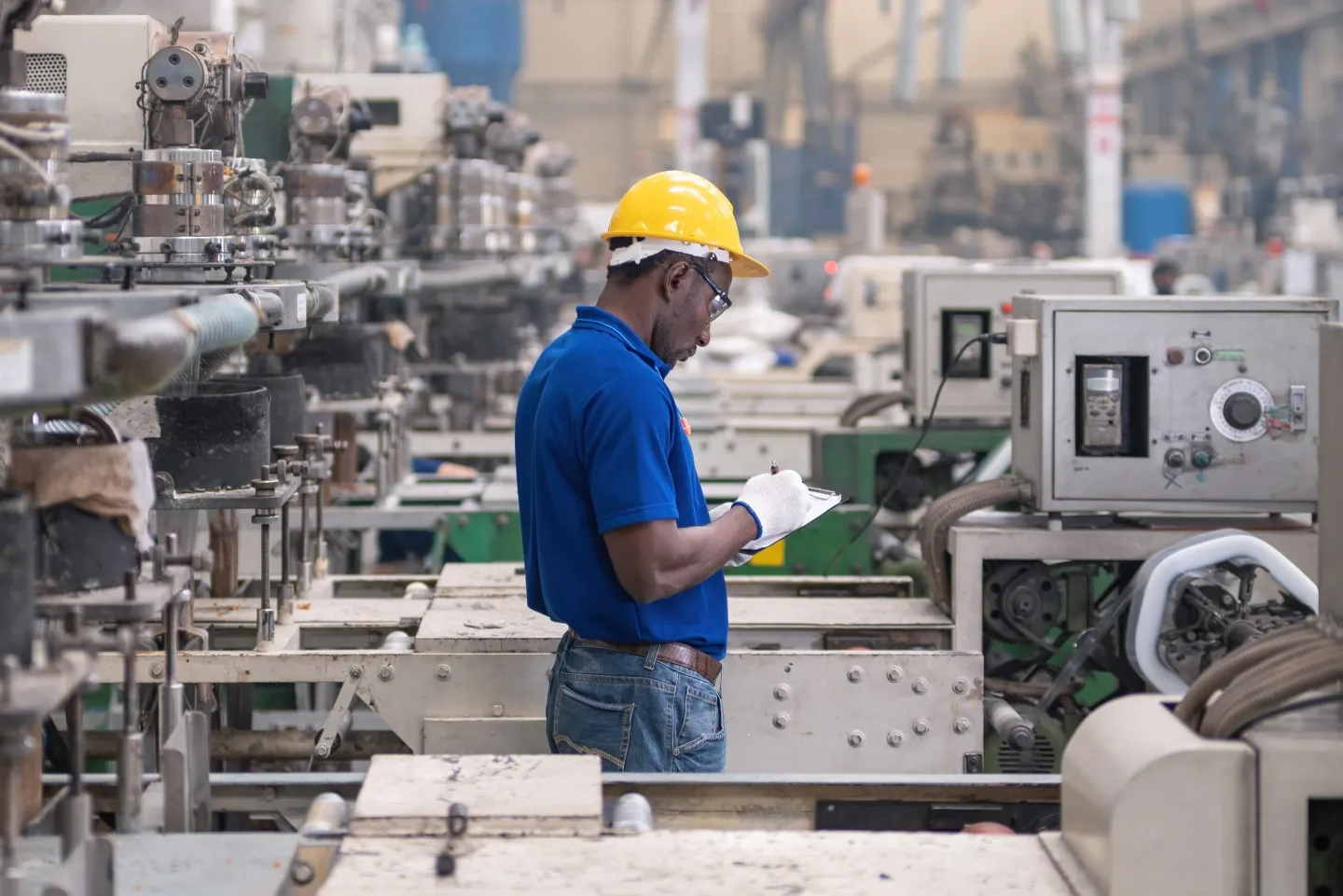
The United States is entering one of the largest manufacturing labor expansions in modern history. Nearly 4 million new manufacturing jobs are expected to open over the next decade as Baby Boomers retire, reshoring accelerates, and federal industrial policies pump billions into domestic production. Yet amid this historic opportunity, companies across the country are sounding an alarm: Gen Z doesn’t want the trade jobs most desperately needed.
Although the new industrial boom spans semiconductors, electric vehicles, aerospace, advanced materials, clean energy, and robotics, one role stands out as the most difficult to fill—skilled welding. Despite high salaries, robust job security, and long-term career paths, young Americans are turning away from welding and other hands-on trades in favor of digital, remote, and service-sector work.
The mismatch between job openings and talent preferences is shaping up to be one of the defining workforce challenges of America’s next industrial era.
A Manufacturing Revival With a Massive Labor Gap
The U.S. manufacturing sector is undergoing a dramatic transformation:
- Record federal incentives through the CHIPS and Science Act, Inflation Reduction Act, and Infrastructure Investment and Jobs Act
- Onshoring of critical supply chains after pandemic-era disruptions
- Expansion of EV factories, battery plants, and semiconductor fabs
- Growth of robotics and advanced manufacturing technologies
- Corporate investment hitting multi-decade highs
Together, these forces are generating millions of new jobs—many of which require skilled trades.
But Baby Boomer retirements are hitting at the same time.
More than 25% of the manufacturing workforce is at or near retirement age, accelerating shortages in:
- Welders
- Industrial electricians
- CNC machinists
- Pipefitters
- Maintenance technicians
- Tool-and-die makers
Of these, welding is consistently ranked the most acute shortage—estimated to exceed 360,000 unfilled positions by 2026.
Why Gen Z Is Avoiding the Trade Jobs America Needs Most
Despite competitive pay—often $70,000 to $100,000+ for experienced welders—Gen Z is overwhelmingly opting out. Several factors explain the trend.
1. A Shift Toward “Clean,” Digital Work
Gen Z grew up in an era defined by:
- Smartphones
- Remote work culture
- Digital entrepreneurship
- Social media
- Online learning and gaming
Physical labor roles are often perceived as less attractive compared to technology and creative careers.
2. Misconceptions About the Trade
Many young people believe welding is:
- Dangerous
- Dirty
- Low-tech
- Low-status
- Physically exhausting
In reality, modern welding uses advanced robotics, automation, augmented reality training, and precision engineering.
3. Social Pressure Toward College Degrees
For decades, U.S. culture has promoted four-year degrees as the default path to success. Skilled trades have been undervalued despite offering:
- High salaries
- Low student debt
- Strong job security
- Rapid advancement opportunities
4. Lack of Early Exposure
Few high schools offer vocational programs or industrial technology training today. Many students graduate without ever seeing a welder, machinist, or electrician at work.
5. Competition From New-Age Jobs
Gen Z prefers careers in:
- AI and software development
- Digital marketing
- Content creation
- E-commerce
- Remote service work
The allure of flexible, tech-driven work has altered career preferences.
Welding: The Trade America Can’t Replace
Of all manufacturing trades, welding is the hardest to automate entirely. Highly skilled welders are critical for:
- Shipbuilding
- Aerospace and defense manufacturing
- Bridge and infrastructure construction
- Semiconductor fabs
- EV factories and battery plants
- Oil, gas, and renewable energy projects
- Industrial equipment manufacturing
Many of these sectors are strategic national priorities. A chronic shortage of welders could delay critical infrastructure projects and undermine America’s reshoring efforts.
Companies Are Offering Higher Salaries, Bonuses, and Training—But It’s Not Enough
Manufacturers are ramping up incentives:
- Signing bonuses of $5,000 to $15,000
- Six-figure salaries for specialized welders
- Free or subsidized technical training
- Modernized facilities with robotics and air filtration
- Career advancement paths into engineering and management
Still, applications remain too low to meet demand.
The Role of Technology: Can Automation Fill the Gap?
Robotic welding is expanding, but it doesn’t eliminate the need for skilled workers. Instead, it changes the nature of the job, requiring:
- Programming
- Calibration
- Quality assurance
- Complex manual welds robots cannot perform
Automation may reduce the labor shortage but cannot solve it entirely.
A National Challenge With Long-Term Consequences
A shortage of welders and skilled trades could have ripple effects across the U.S. economy:
- Delays in semiconductor plant construction
- Slower EV rollout and battery production
- Higher infrastructure project costs
- Dependence on foreign suppliers
- Reduced competitiveness in advanced manufacturing
This threatens the nation’s ability to meet ambitious industrial and climate goals.
What Must Happen Next: Solutions for Closing the Gap
Experts argue that America must overhaul its workforce strategy:
1. Restore and Expand Vocational Education
High schools and community colleges need modern, well-funded technical programs.
2. Rebrand Skilled Trades
Campaigns must highlight:
- High salaries
- Technological sophistication
- Entrepreneurial opportunities
- National importance
3. Partner With Industry for Apprenticeships
Manufacturers are collaborating with education systems to create accelerated pathways.
4. Leverage AR and VR Training
Next-gen training tools can attract digitally native Gen Z workers.
5. Offer National Incentives
Tax credits, scholarships, GI-style benefits, and subsidized trade programs could help build pipelines.
Conclusion: America’s Manufacturing Boom Depends on Solving the Labor Puzzle
The U.S. is entering a once-in-a-generation industrial revival—but its success hinges on human capital. With nearly 4 million manufacturing jobs opening and the most crucial trade positions going unfilled, the gap between economic opportunity and workforce reality is widening.
Unless the nation can inspire and train the next generation of welders, machinists, electricians, and skilled technicians, the promise of America’s manufacturing renaissance may remain out of reach.
For now, the opportunity is vast—but so is the challenge.
Related articles: Kevin O’Leary’s $100 Billion Utah Data Center Project Faces Fierce Local Opposition, Donald Trump Heads to China as Sara Duterte Impeachment Vote Looms and SoftBank Reports Earnings, Despite Global Shifts, Investors Maintain Interest in US Markets, JPM’s Kim Crawford Confirms, Angola Pursues a $1.4 Billion Debt-for-Health Exchange Beginning in 2026


Sponsored Content

Sponsored Content